
Articles
- Securities01 Securities · Stocks
This article organises how to read the statement of cash flows (C/F) under the three categories of operating, investing and financing cash flow. On the basis of official information it checks why profit and cash diverge, the adjustment items in the indirect method, the increases and decreases in trade receivables, inventories and trade payables, capital investment and M&A, borrowings, dividends and share buy-backs, and the several definitions of free cash flow.
Last checked/2026-09-14
- Securities02 Securities · Stocks
This article organises how to read the statement of income (P/L) stage by stage, from net sales down to profit attributable to owners of parent. On the basis of official information it checks how the margins are calculated, how the causes of increases and decreases are separated, the differences between Japanese GAAP and IFRS, and how the quarterly and first-half figures are to be handled.
Last checked/2026-09-11
- Securities03 Securities · Stocks
How to read the balance sheet: checking cash, borrowings, equity and financial safety
This article organises how to read the balance sheet (B/S) section by section, through assets, liabilities and net assets. On the basis of official information it checks the meaning of cash, accounts receivable - trade, inventories, property, plant and equipment, goodwill, borrowings, bonds payable and equity, how to calculate the current ratio, the equity ratio, the D/E ratio and other measures, and the signs of a deterioration in a company's finances.
Last checked/2026-09-11
-
 04 Guides
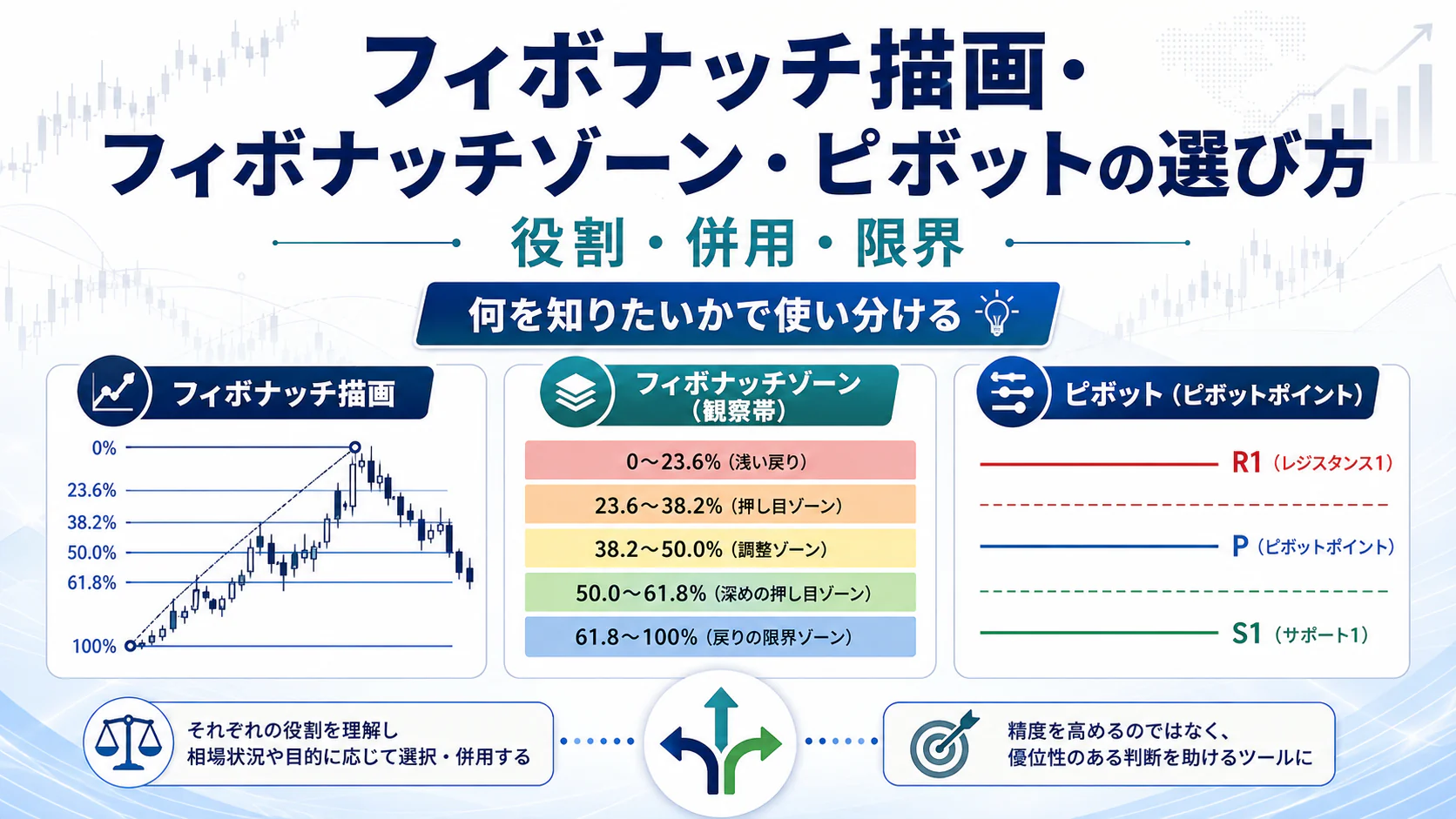
Organises what Fibonacci drawings, Fibonacci zones and pivot points are used for, and which tool to choose for which question. It covers the differences in their inputs, their updating and the discretion involved, double counting when they are used together, and a procedure for checking that avoids hindsight and over-optimisation.
Last checked/2026-08-17
-
 05 Guides
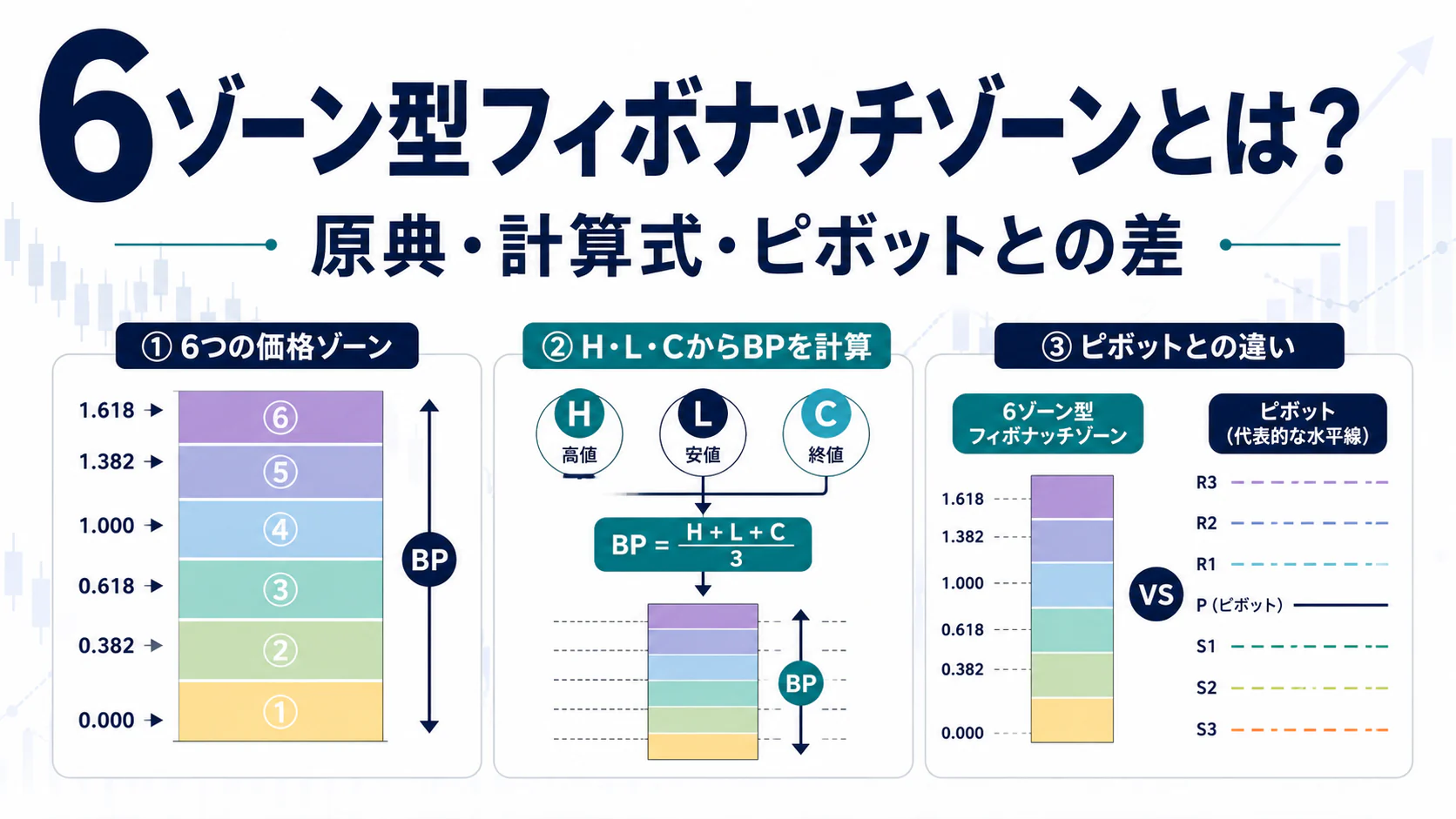
This article tells apart the things called a "Fibonacci zone" on four items: the input, the multipliers, the output and the point of updating. It confirms, with synthetic values, the formulas and the original text for building five boundaries and six intervals from the high, low and closing price of the previous business day, the fact that the 0.618 and 1.382 bands are not boundaries, and how many levels come out at the same price as a pivot under the Fibonacci method.
Last checked/2026-08-13
-
 06 Guides
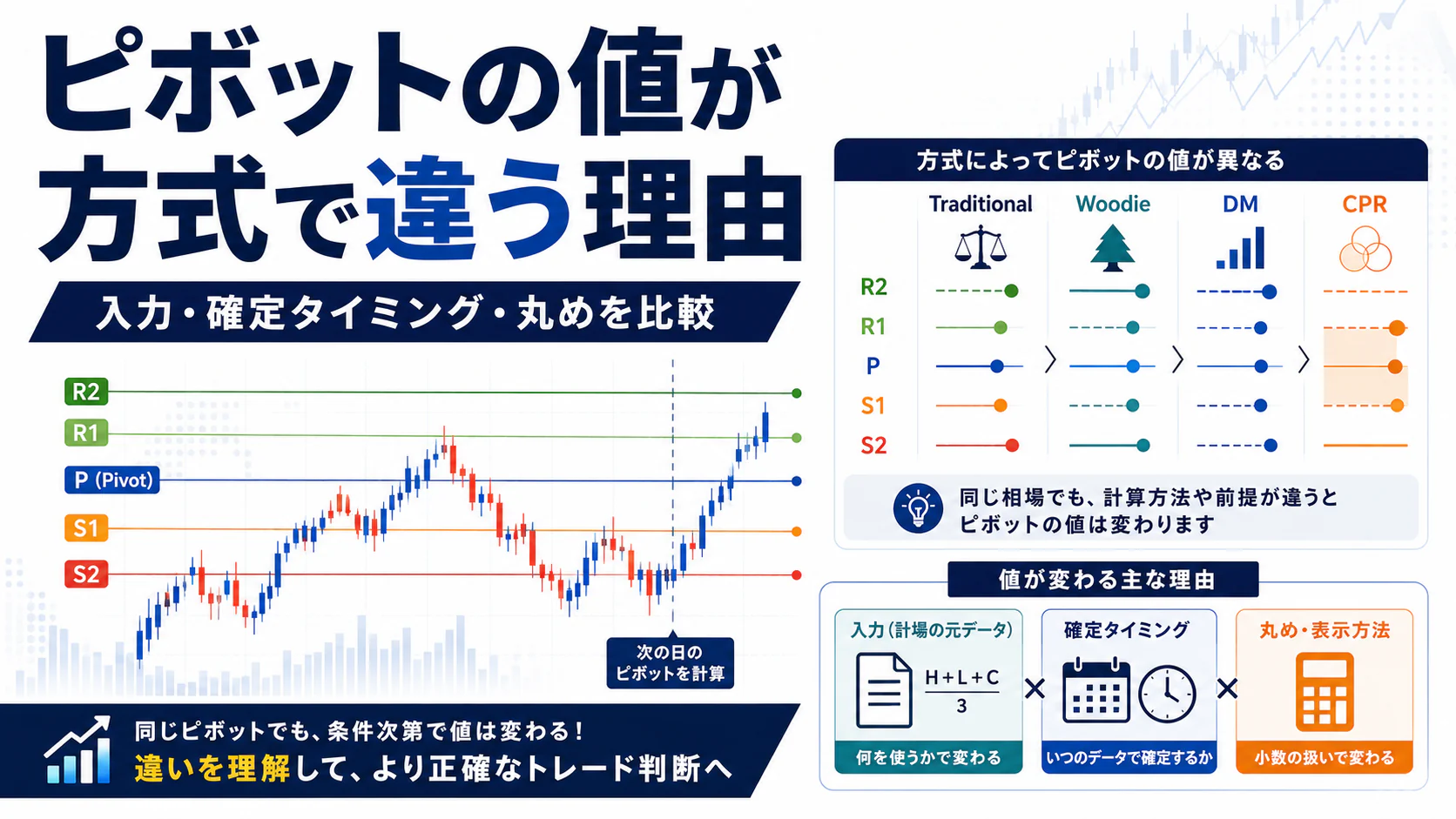
Why pivot values differ by method: comparing inputs, when values become final, and rounding
Separates out why pivot values differ from method to method, along the boundaries of source, inputs, base point, when the values become final, and rounding. It compares DM's conditional branching, Woodie's use of the current period's opening price and the fact that CPR comes from a different source, and sets out the treatment under which undefined levels are not filled in with 0.
Last checked/2026-08-13
- Guides07 Guides
How to display Fibonacci and pivots in MT4 and MT5: the settings and the points to note
This article deals with the procedure for drawing Fibonacci on MT4 and MT5 and for getting pivots displayed, together with the matters to check. It explains the distinction between built-in objects and added indicators, how to verify the reference period and the period boundary, and how to cross-check a displayed value against a hand calculation.
Last checked/2026-08-13
-
 08 Guides
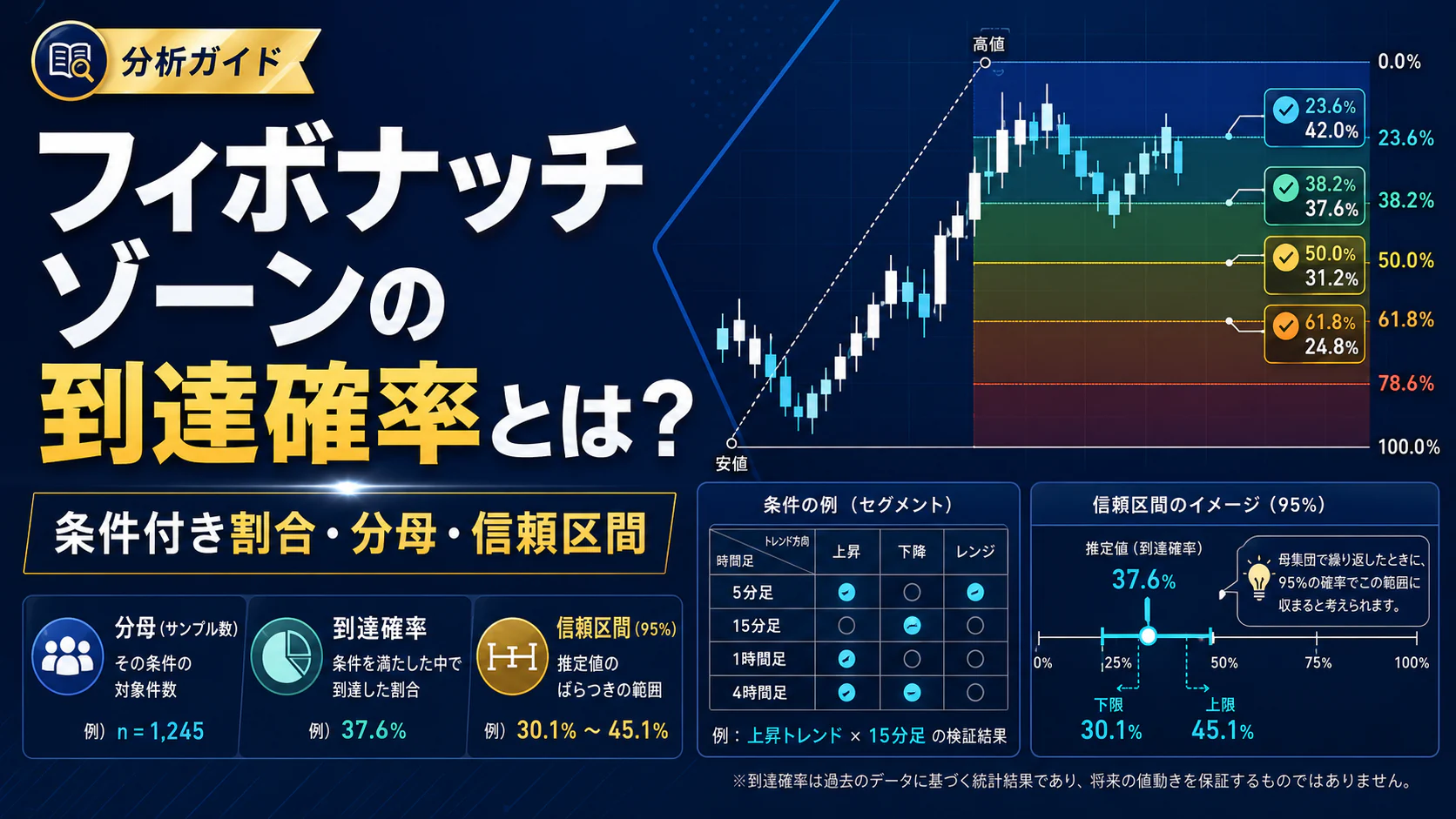
This article puts you in a position to calculate the rate at which a Fibonacci zone is reached yourself, and to audit it. It shows, with worked calculations, the structure of the 36 condition cells, the fact that the denominator differs between reaching a level and support or resistance, and how to obtain a confidence interval when the sample is small.
Last checked/2026-08-13
-
 09 Guides
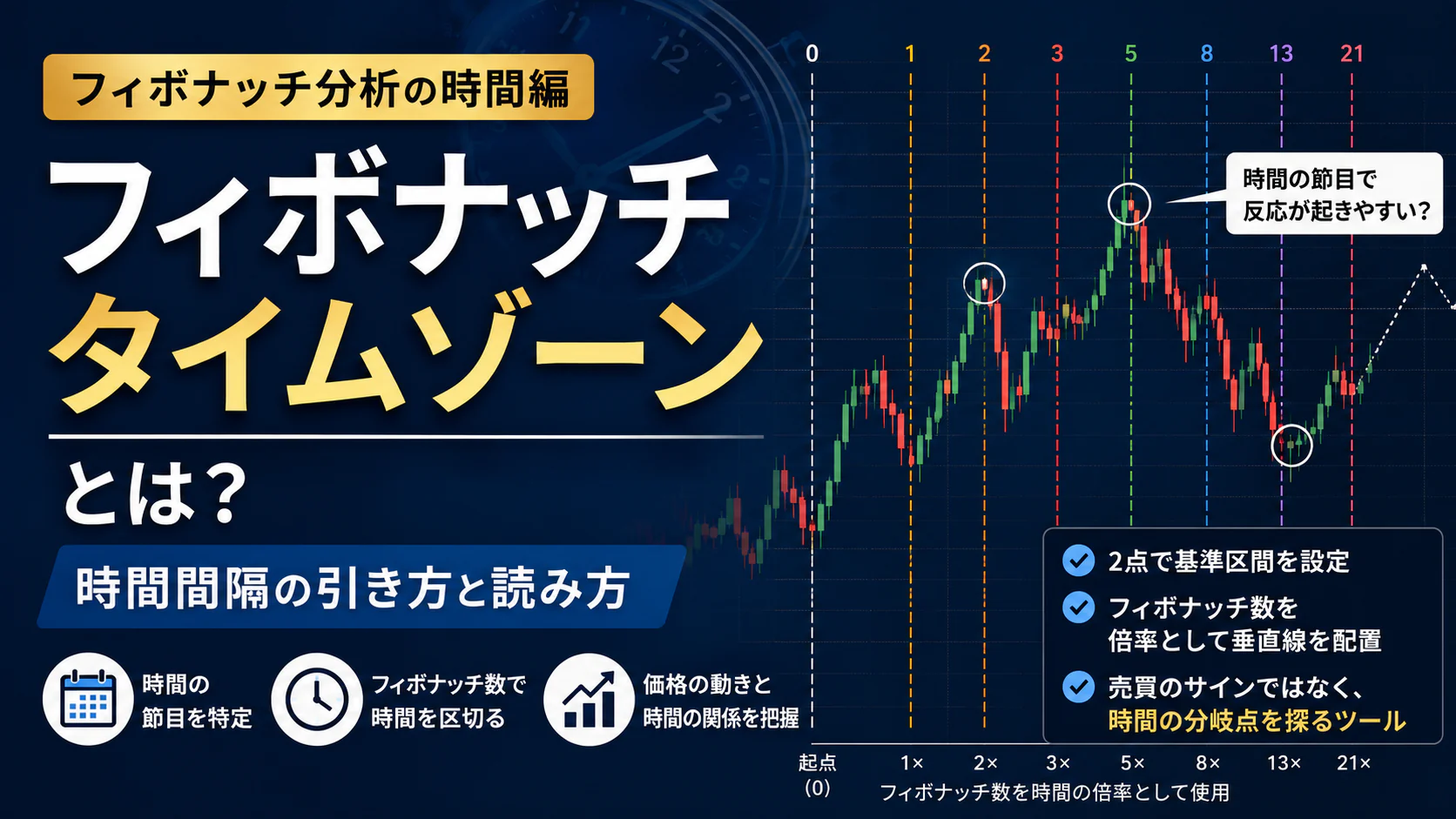
What are Fibonacci time zones? How to draw the time intervals and how to read them
Deals with how to draw Fibonacci time zones and how to read them. It sets out the structure in which two points determine a unit interval and Fibonacci numbers are used as multipliers to place vertical lines, the reason the number of bars and calendar time do not agree, and how this differs from the tools that measure price.
Last checked/2026-08-13
-
 10 Guides
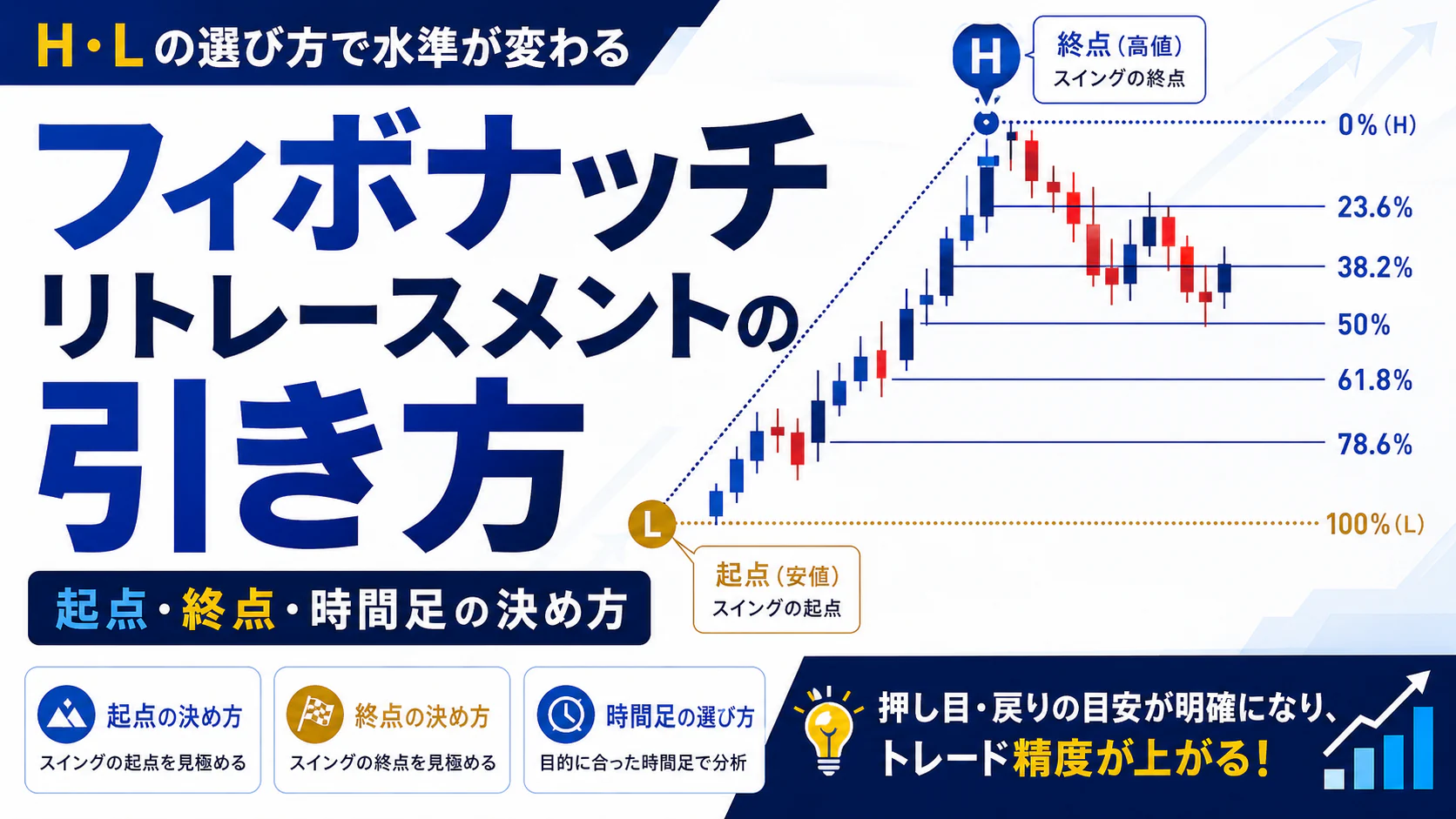
How to draw a Fibonacci retracement: deciding the starting point, the end point and the time frame
Deals with how to decide the starting point and the end point of a Fibonacci retracement, whether to use the wicks or the closing prices, and how to align the time frames. It shows, with worked calculations, why the levels are not determined even from the same two points unless the direction in which the measurement is taken has been declared.
Last checked/2026-08-13
-
 11 Guides
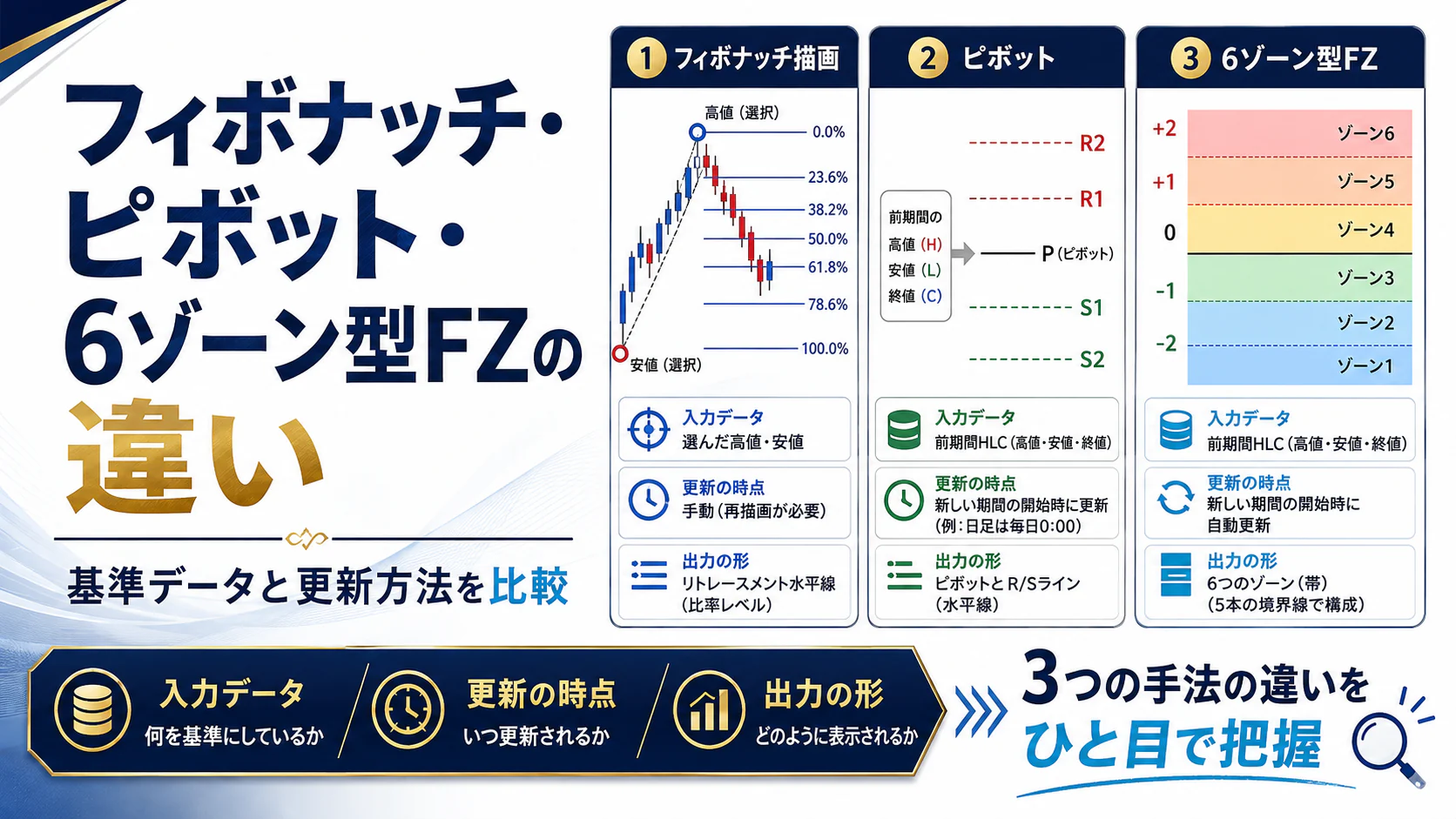
This article organises the differences between Fibonacci drawings, pivots and the six-zone Fibonacci zone method along five axes: input, object, updating, discretion and output. It shows, through agreement in the calculation, why levels that share an input do not amount to two independent grounds.
Last checked/2026-08-13
-
 12 Guides
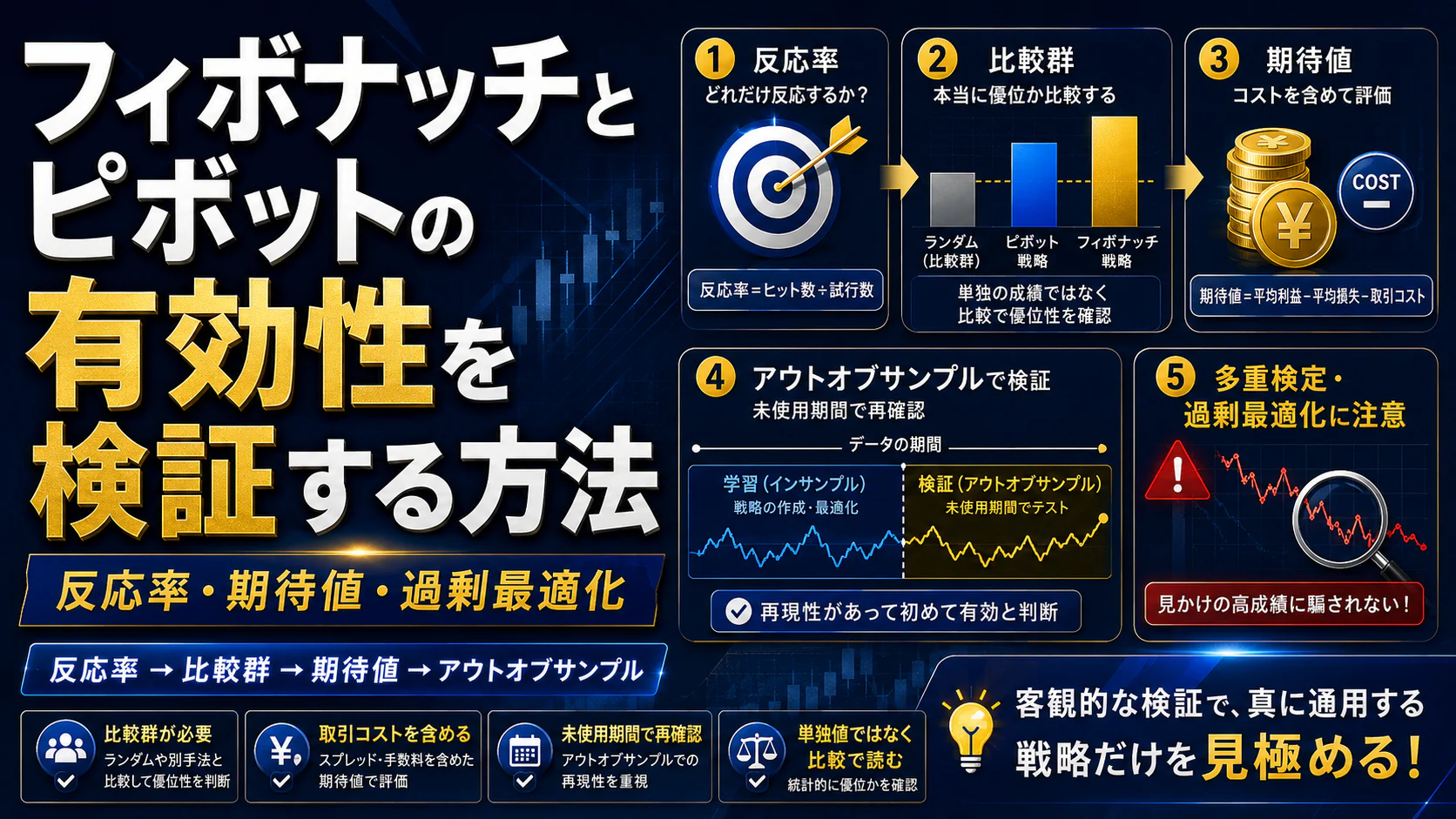
Deals with the design of a test of whether Fibonacci and pivots are effective. It organises how to measure reaction, relative reaction, trading profit and reproducibility separately, how costs are estimated, the treatment of multiple testing and over-optimisation, and what the existing research does not establish.
Last checked/2026-08-13
-
 13 Guides
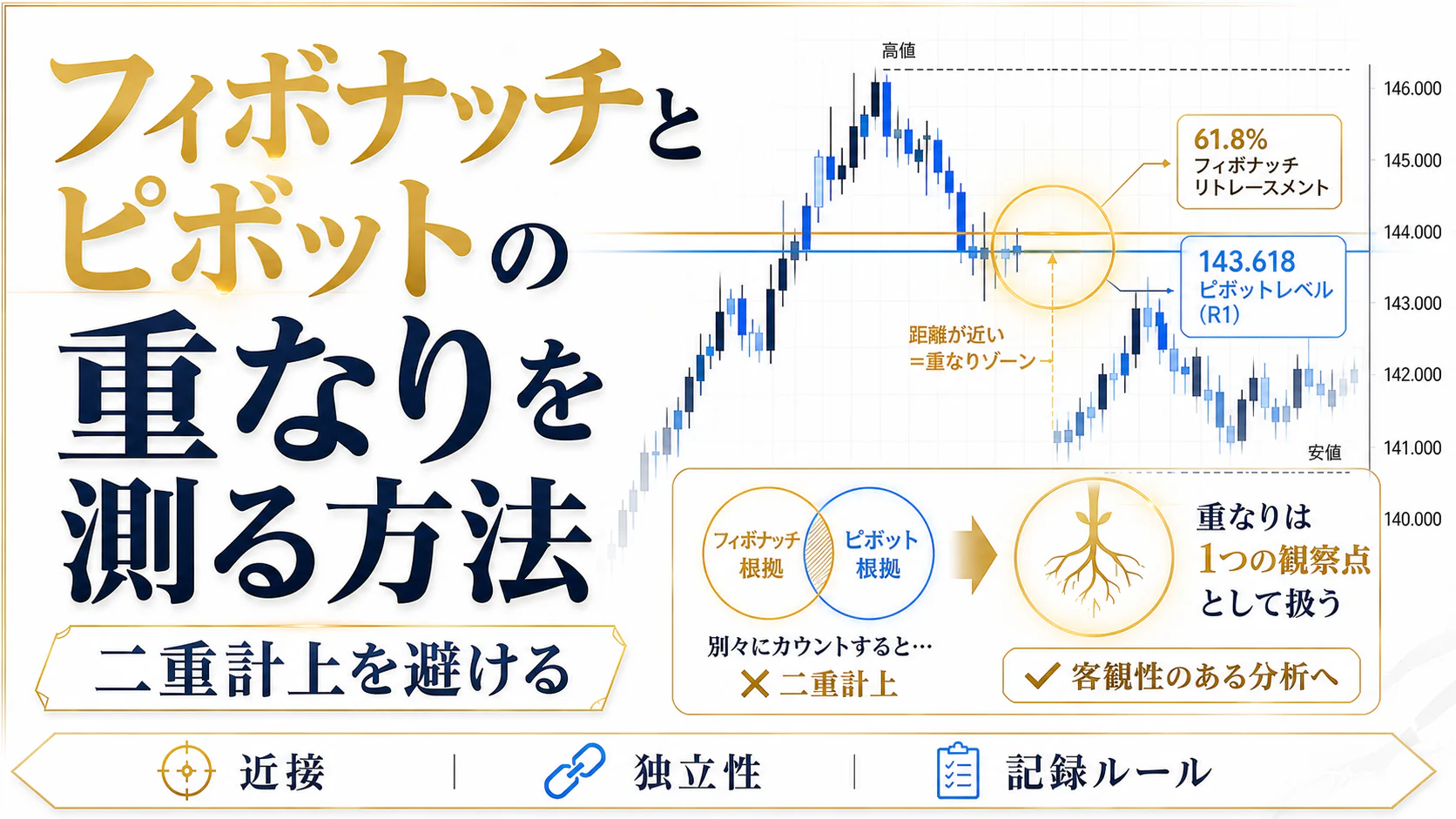
How to measure the overlap between Fibonacci and pivots: avoiding double counting
This article deals with the procedure for counting without double counting where Fibonacci and pivot levels lie close together. It covers pre-registration, how to decide the tolerance distance, and the folding together of lines produced from the same input, with the distance calculations worked through.
Last checked/2026-08-13
-
 14 Guides
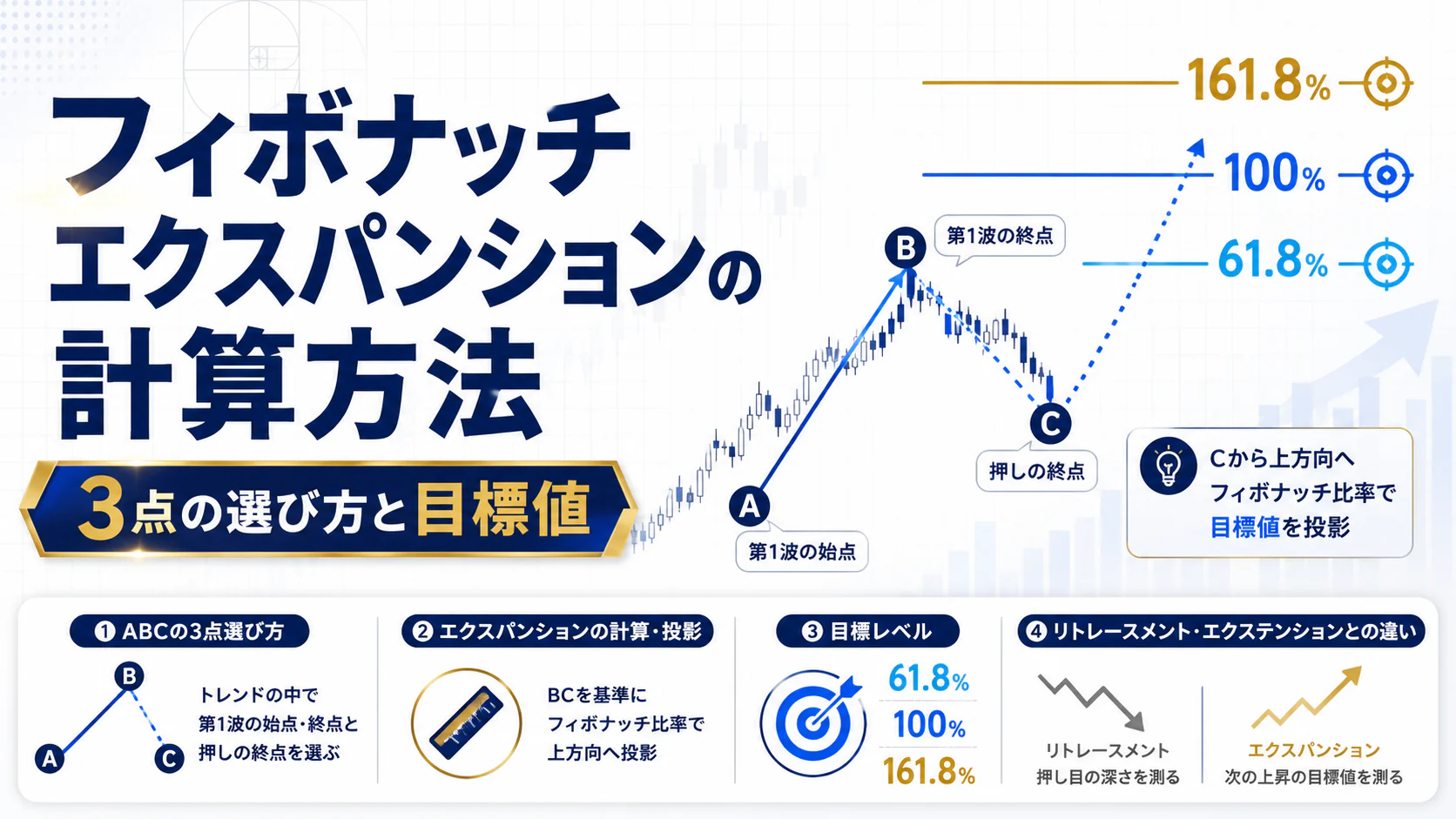
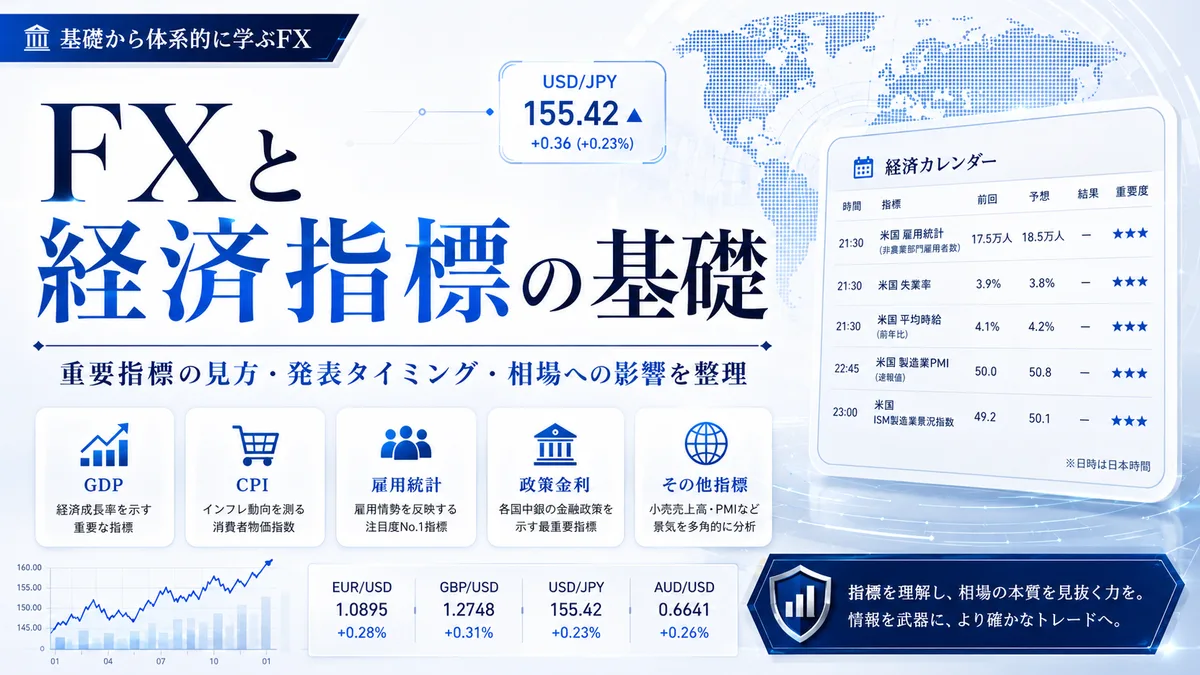
How to calculate a Fibonacci expansion: how to choose the three points, and target values
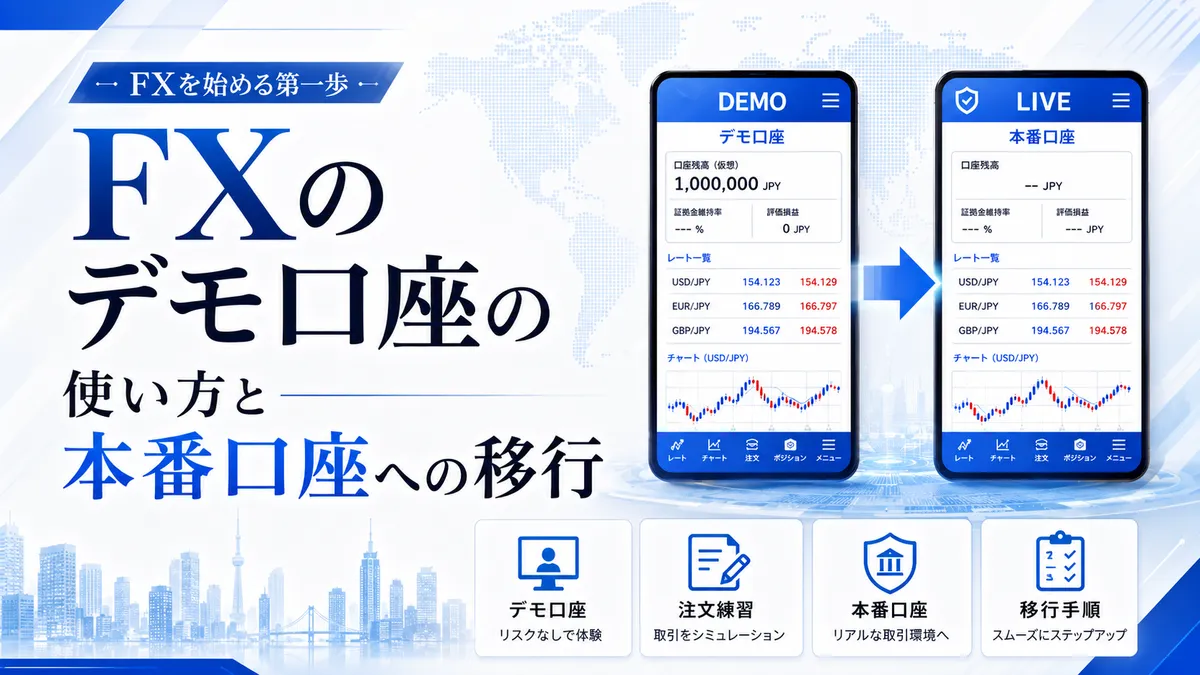
Deals with how the three points of a Fibonacci expansion are chosen and how the target values are calculated. It calculates, for both the upward and the downward direction, the structure by which the range of the first wave is projected from the starting point of the second wave, and makes clear the difference from retracement.
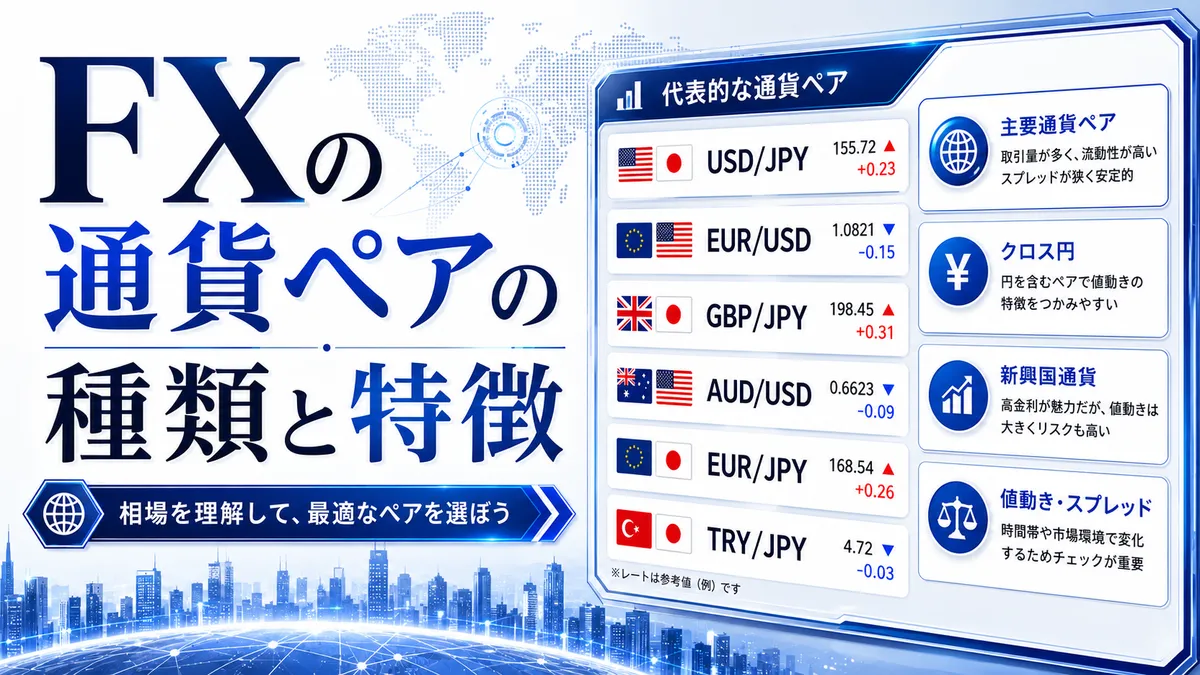
Last checked/2026-08-13
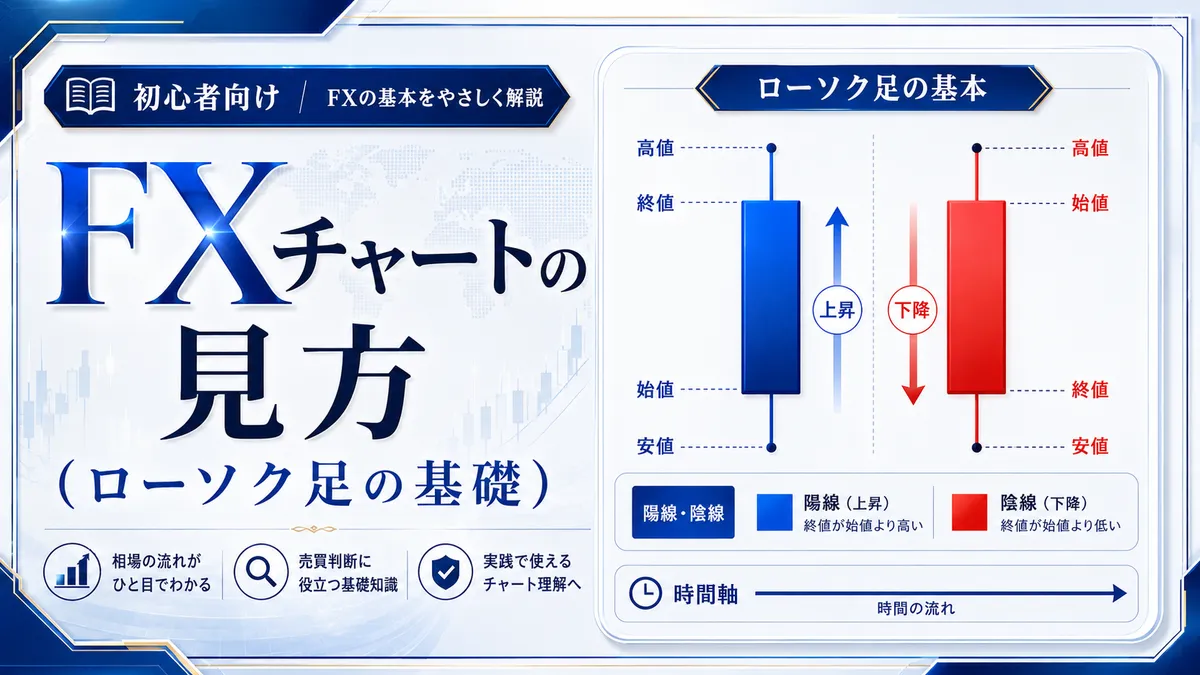
-
 15 Guides
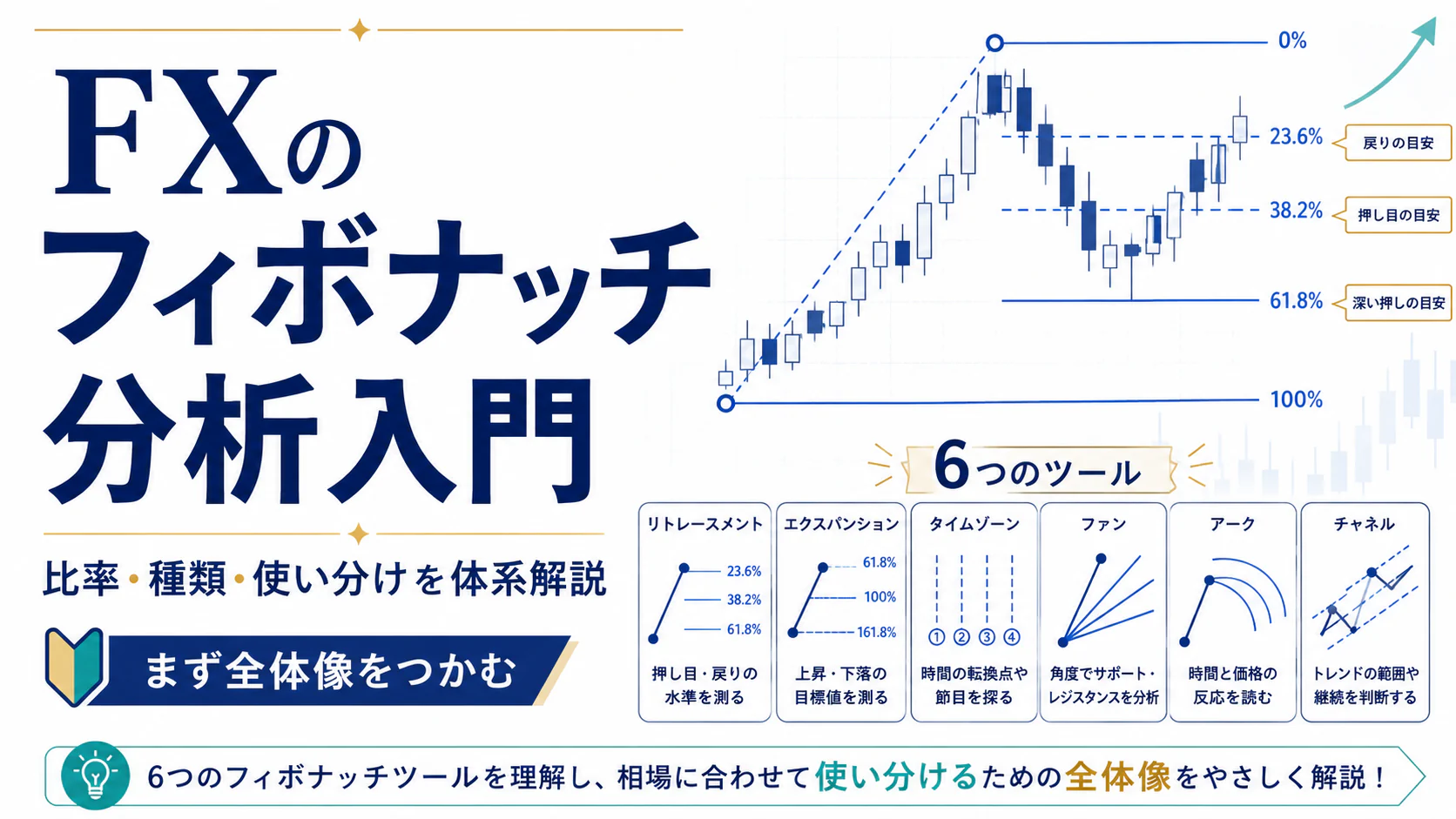
An introduction to Fibonacci analysis in FX: the ratios, the kinds of tool, and telling them apart
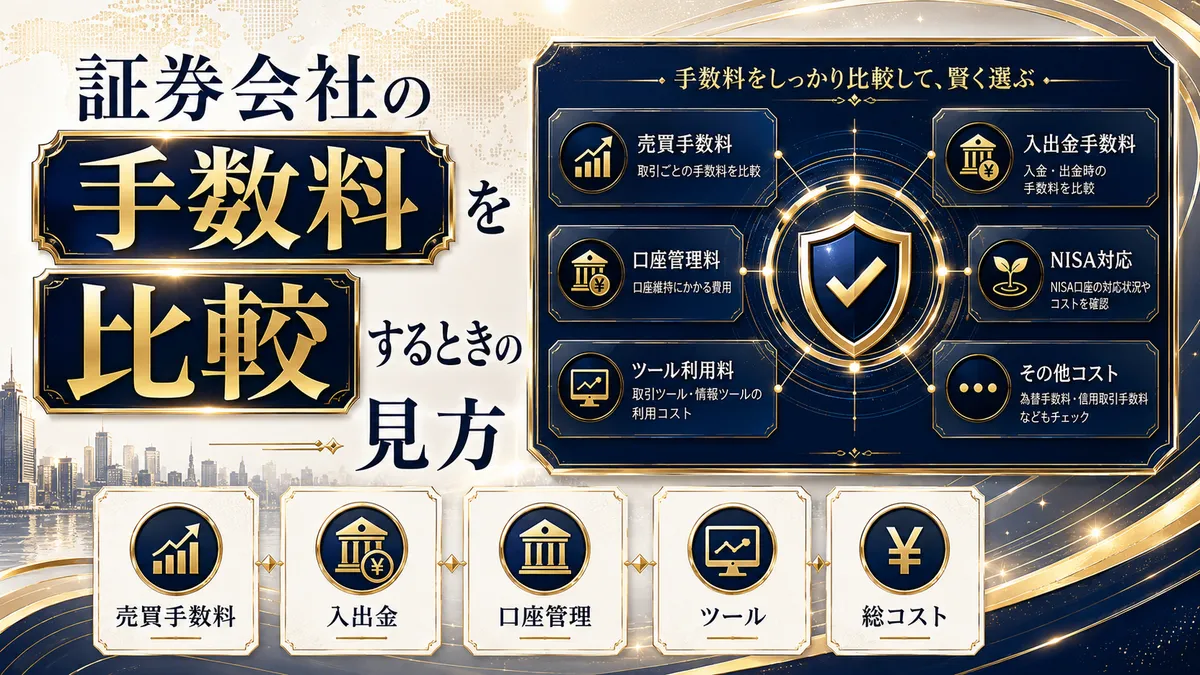
This article organises how the Fibonacci ratios arise from the powers of the golden ratio, and what Retracement, Expansion and Time Zones each measure. It explains where 50% and 78.6% stand, and the differences between the input and the output of each tool, with the arithmetic set out behind them.
Last checked/2026-08-13
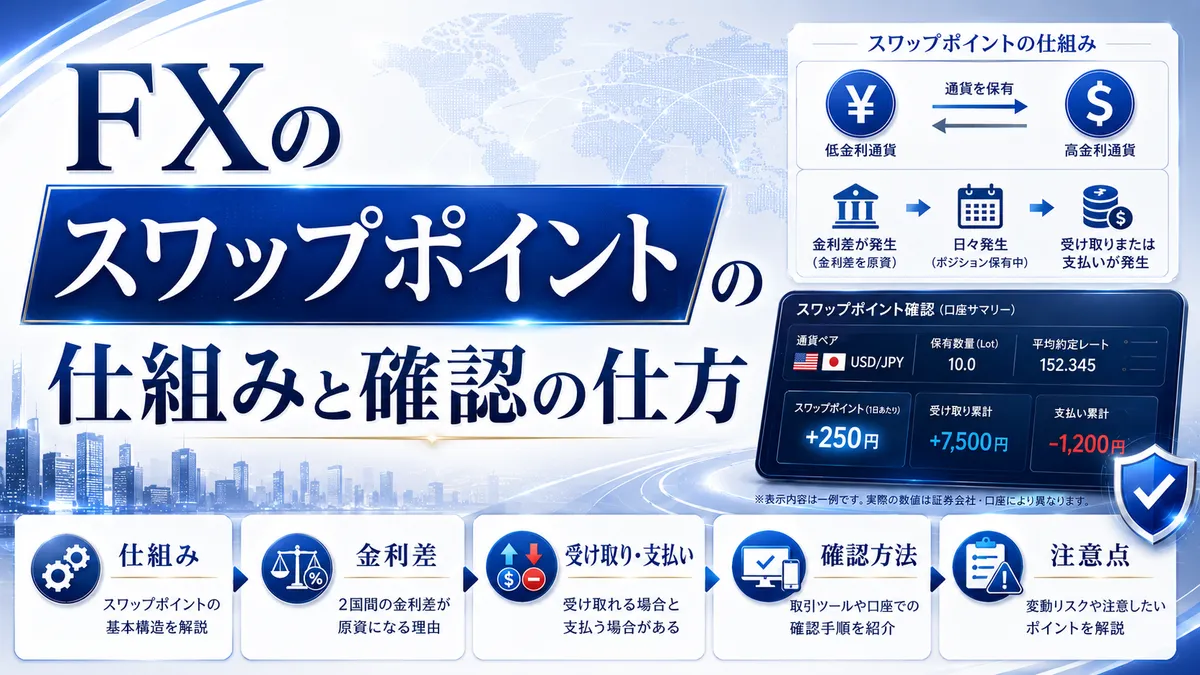
-
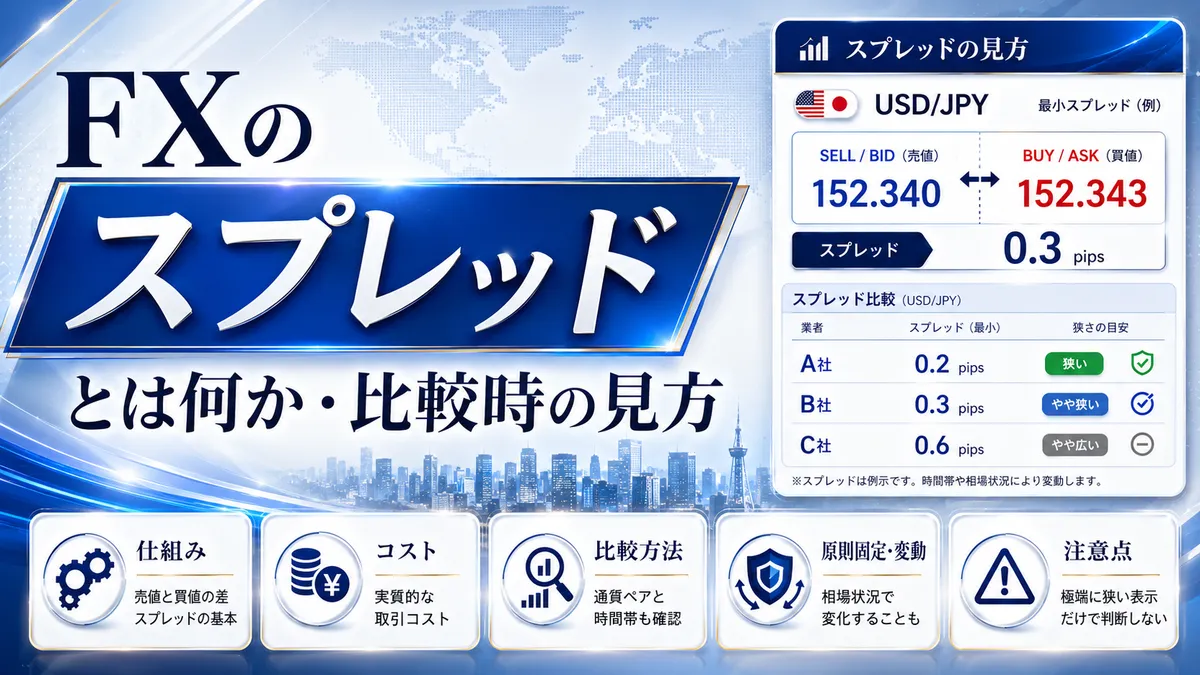
 16 Guides
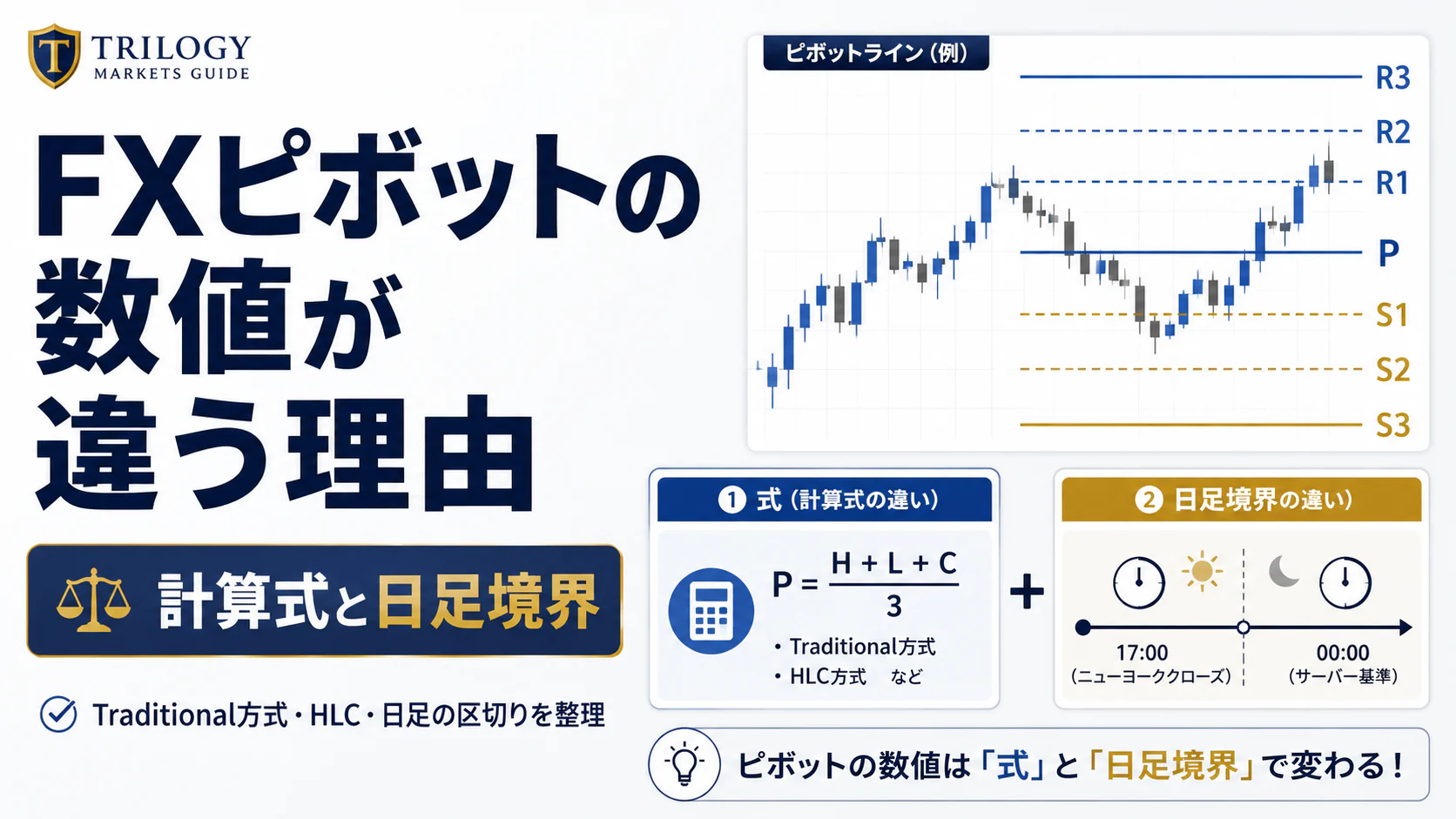
Why FX pivot figures differ: the formulas and the daily candlestick boundary
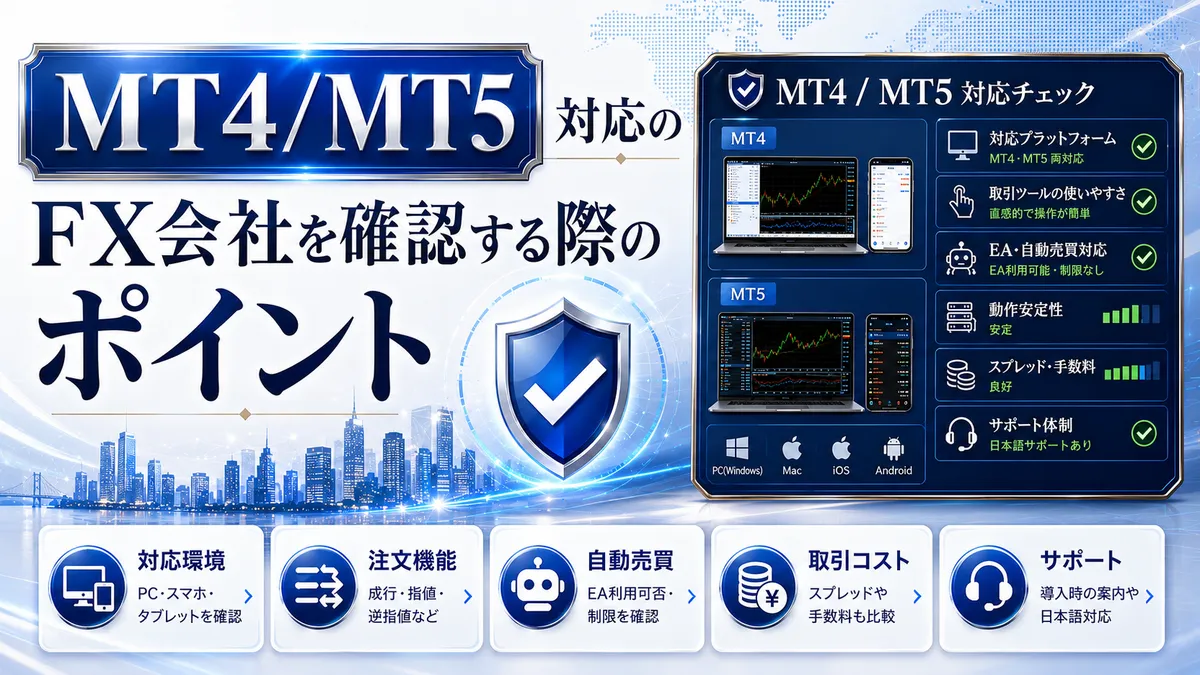
This article deals with why pivot figures fail to agree even under the same Traditional method. It separates out how the previous day's high, low and closing price are produced, where the daily candlestick is divided, the price series, and the stage at which rounding is applied, and it shows with worked calculations the points on which three implementations whose formulas can be checked in publicly available materials agree and the points on which they differ.
Last checked/2026-08-13
- Guides17 Guides
For the six pivot point methods — Traditional, Fibonacci, Woodie, Classic, DM and Camarilla — this article organises the formulas that produce the levels from prior-period data, and lines up for comparison the figures calculated on the same synthetic OHLC. It also looks at why the values change with differences in the base period, the definition of the trading hours and the data provider. It does not recommend any particular buying or selling.
Last checked/2026-08-10
-
 18 Guides
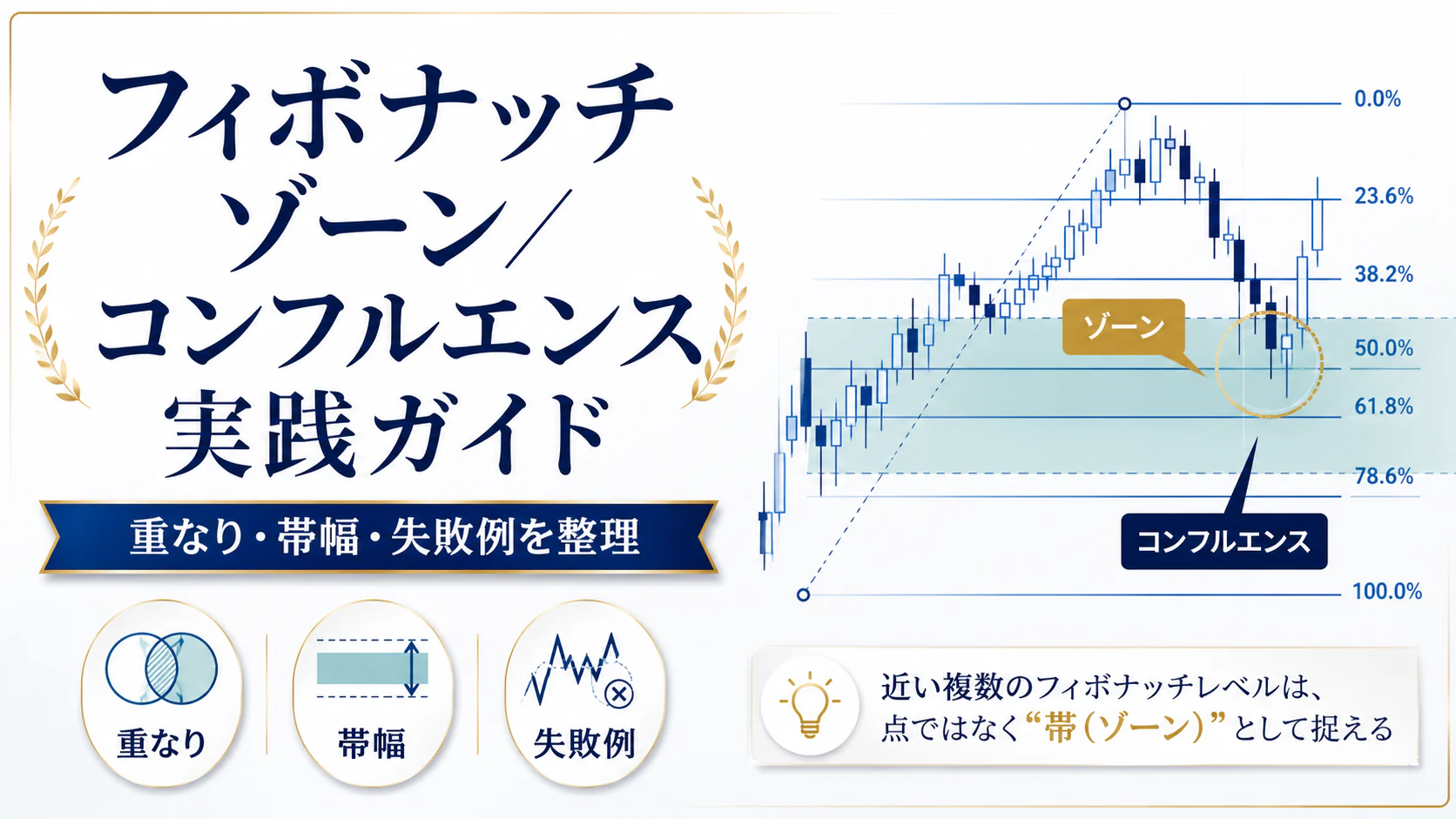
Works through the procedure for organising Fibonacci levels produced from several swings and time frames as a price band rather than as a line. It sets out why the band width is fixed in advance, that elements which overlap are not necessarily independent, and how an example that is met and an example that is not met are compared under the same definition, together with calculation examples using synthetic prices. It does not recommend any particular purchase or sale.
Last checked/2026-08-10
-
 19 Guides
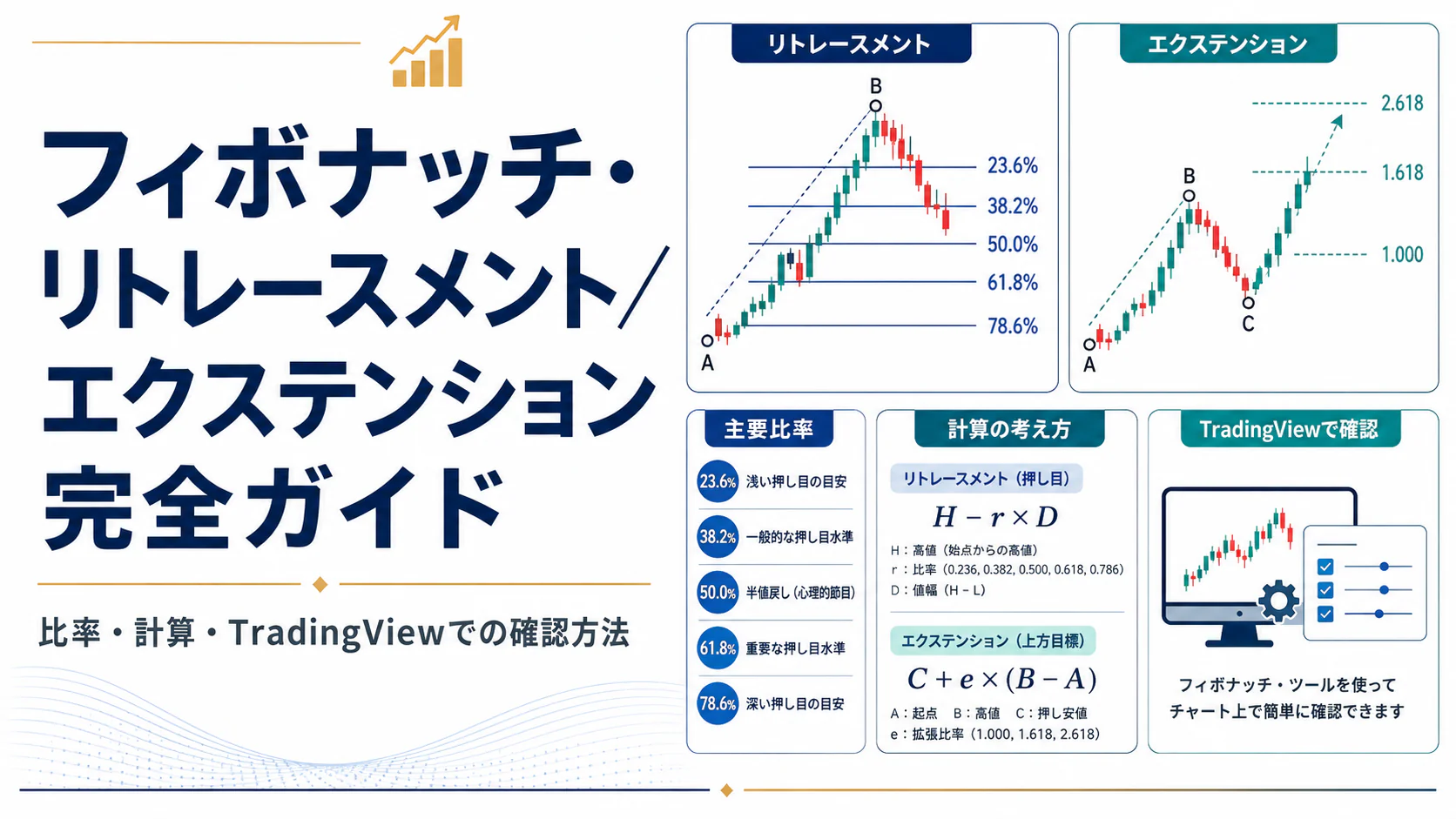
This article organises Fibonacci retracements and extensions under separate headings: where the sequence and the main ratios come from, the formulas for a rise and for a fall, and the difference between two-point outer levels and a three-point projection. It also looks at worked examples using synthetic prices, how to record the anchors, the range of operations that can be confirmed, and the limits. It does not recommend any particular buying or selling.
Last checked/2026-08-10
- Securities20 Securities · Stocks
This article organises neutrally, on the basis of official information from the SEC, FINRA and the exchanges, the figures displayed in the US stock pre-market, from the viewpoints of the difference between quoted prices and execution prices, the effect that low volume has on the figures, what the displayed item showing the difference from the previous day's closing price means, and how current the figures are.
Last checked/2026-08-04
- Guides21 Guides · Stocks
This article organises how to use a stock screener along the operations of opening the screen, adding and removing filters, displaying and sorting columns, and saving a set of conditions, and it also checks what the terms used for the condition items mean and how far the data displayed can be taken as a premise. It does not indicate any particular condition or security.
Last checked/2026-08-04
- Guides22 Guides
"This article organises what the items lined up in an economic calendar mean — the date and time, the country, the name of the indicator, the importance, and the previous value, the forecast and the result — together with filtering operations such as those by country and by period, the point that the importance indicator and the forecast are information added by the provider of the calendar, the relationship between the display time zone and the release times laid down by the publishing bodies, and the mechanism by which past figures are revised later. It does not recommend any particular financial instrument or transaction."
Last checked/2026-08-04
-
 23 Securities · Stocks
This article organises, on the basis of official information, when US stocks are traded in Japanese time, how the hours shift under daylight saving time, and how orders are handled. Taking the local regular trading hours (9:30-16:00 ET) as its axis, it brings together the points to check on orders that are specific to US stocks.
Last checked/2026-06-18
-
 24 Securities · Stocks
Checking extended-hours trading in US stocks (pre-market and after-market)
This article organises neutrally, on the basis of official information from the SEC (the US Securities and Exchange Commission) and the exchanges, extended-hours trading in US stocks (the pre-market and the after-market), together with the differences from regular trading, the hours of each session (US Eastern Time, and points to note on daylight saving time and standard time), and points of caution such as lower liquidity, the widening of the quote spread and movements in price.
Last checked/2026-06-18
-
 25 Securities · Stocks
This article organises neutrally, on the basis of official information from the US Securities and Exchange Commission (SEC), the practical steps through to receiving a dividend on a US stock: the order of the record date, the ex-dividend date and the payment date, the choice of the currency in which the dividend is received (yen or foreign currency), and the flow through to receipt. It is a map for checking these together with the premise that dividends may be omitted or reduced.
Last checked/2026-06-18
-
 26 Securities · Investment trusts
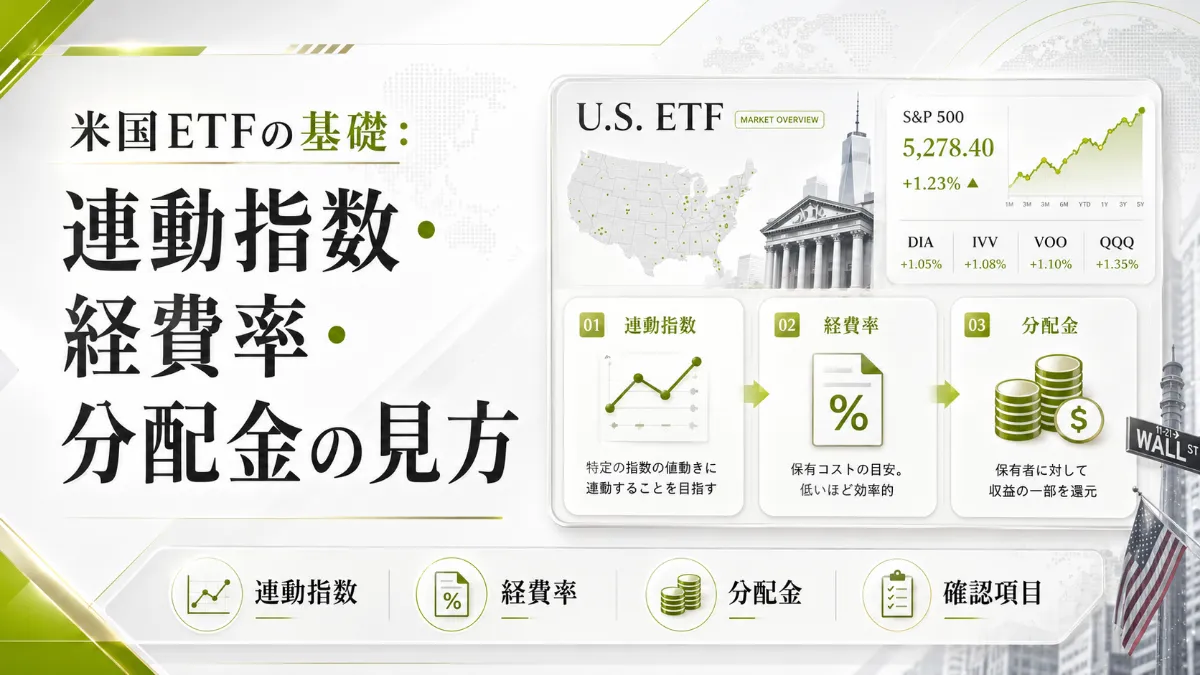
Checking the basics of US ETFs: how to view the index tracked, the expense ratio and distributions
This article organises, from a neutral standpoint, the three axes worth checking when coming to understand US ETFs: the index the fund aims to track, the expense ratio, and distributions. Rather than recommending particular securities, it is an article that hands over a way of looking at what to confirm in the prospectus and in official information.
Last checked/2026-06-18
-
 27 Securities · Stocks
Checking the basics of ADRs (American Depositary Receipts)
This article organises neutrally, on the basis of official information from the US Securities and Exchange Commission (SEC), how an ADR (American Depositary Receipt) works, together with the depositary bank, the underlying shares and the ADR ratio, dividends and currency, the markets of listing, the distinction between sponsored and unsponsored forms, and foreign exchange and country risk.
Last checked/2026-06-18
-
 28 Securities · Investment trusts
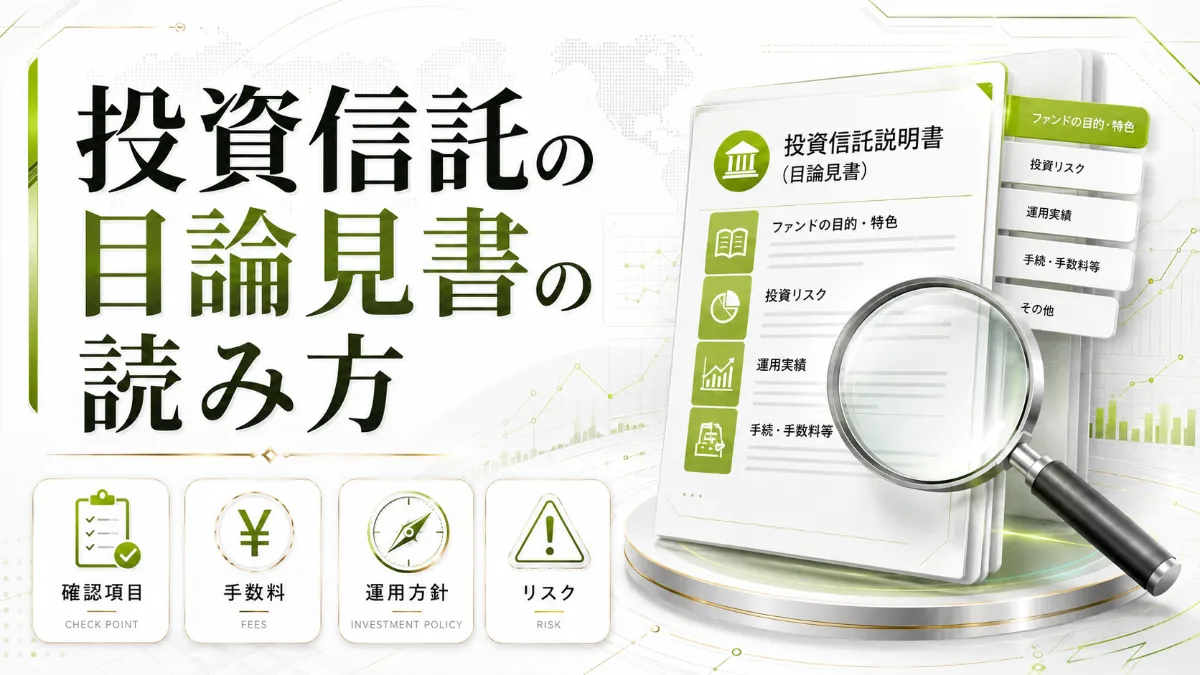
The prospectus for an investment trust is a document that is always handed to you before you buy. This article organises, neutrally and on the basis of official information, the difference between the 交付目論見書 and the 請求目論見書, which section sets out the investment policy, the risks and the costs respectively, and in what order to read them.
Last checked/2026-06-18
-
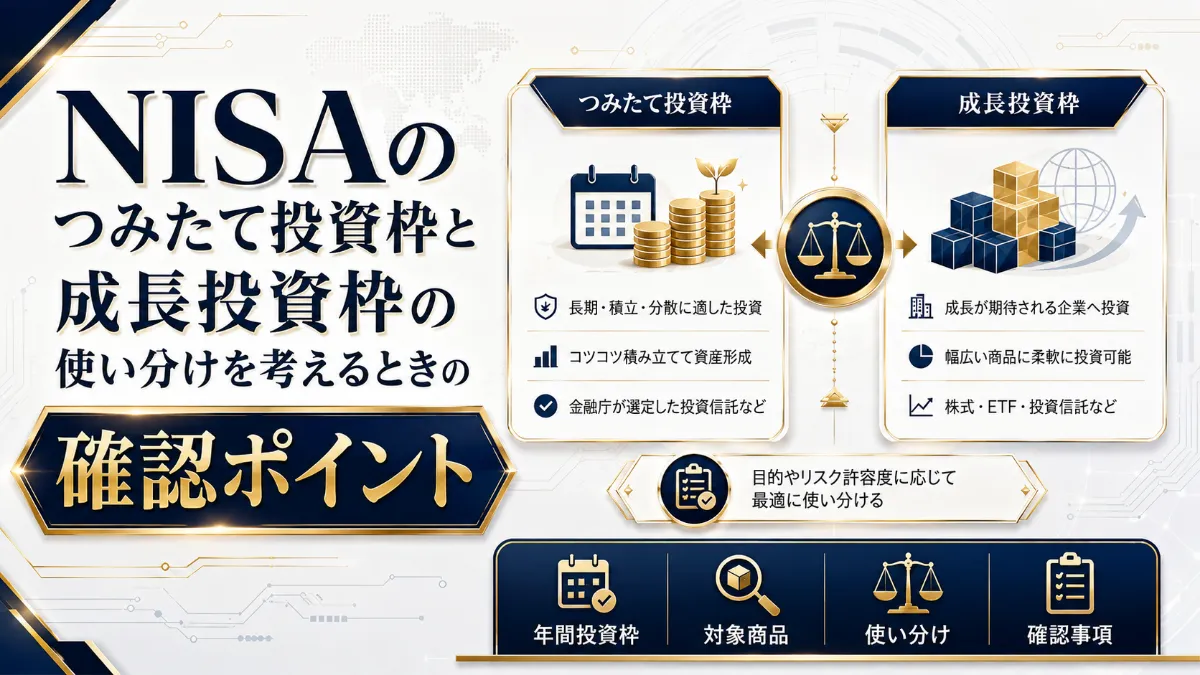 29 Securities · NISA
Points to check when considering how to use NISA's つみたて投資枠 and 成長投資枠
The つみたて投資枠 and the 成長投資枠 of the new NISA can be used together. This article organises, from official information, the differences between the two allowances in the products covered, in how you buy and in their size, together with the points worth checking when you think through your own allocation.
Last checked/2026-06-18
-
 30 FX
This article organises the general flow of starting to use a VPS for FX automated trading (EA), following the steps from the application through remote desktop connection, the installation of MT4/MT5, the placing of the EA, and checking that it is running. It brings together the points worth checking at each step.
Last checked/2026-06-18
-
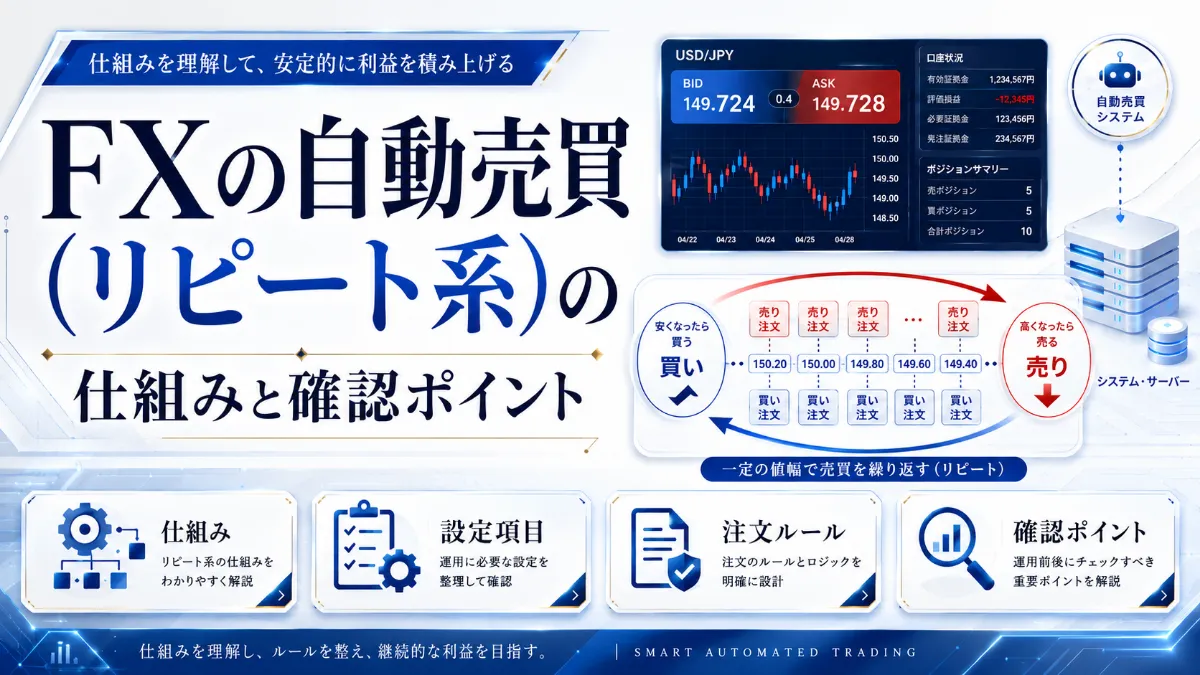 31 FX
The mechanism of FX automated trading of the リピート系 (repeat-type) kind, and the points to check
This article organises, neutrally and on the basis of public information, the mechanism and the thinking behind the so-called リピート系 (repeat-type) automated trading in FX, which repeats buying and selling at a fixed price interval. It brings together what is being automated, in what kind of market unrealised losses are liable to grow, and the points worth confirming before use, together with the cautions surrounding automated trading.
Last checked/2026-06-18
-
 32 Securities · Investment trusts
Basics to check when redeeming an investment trust (the settlement date and the 信託財産留保額)
This article organises, neutrally and on the basis of official information, the practical matters worth checking when redeeming (selling) an investment trust: the difference between 解約請求 and 買取請求, the cut-off for applications and the blind method, the execution date and the settlement date (the day the money arrives), and the 信託財産留保額. Because the number of days and the costs differ by product, it brings together an outline map for checking them in the prospectus.
Last checked/2026-06-18
-
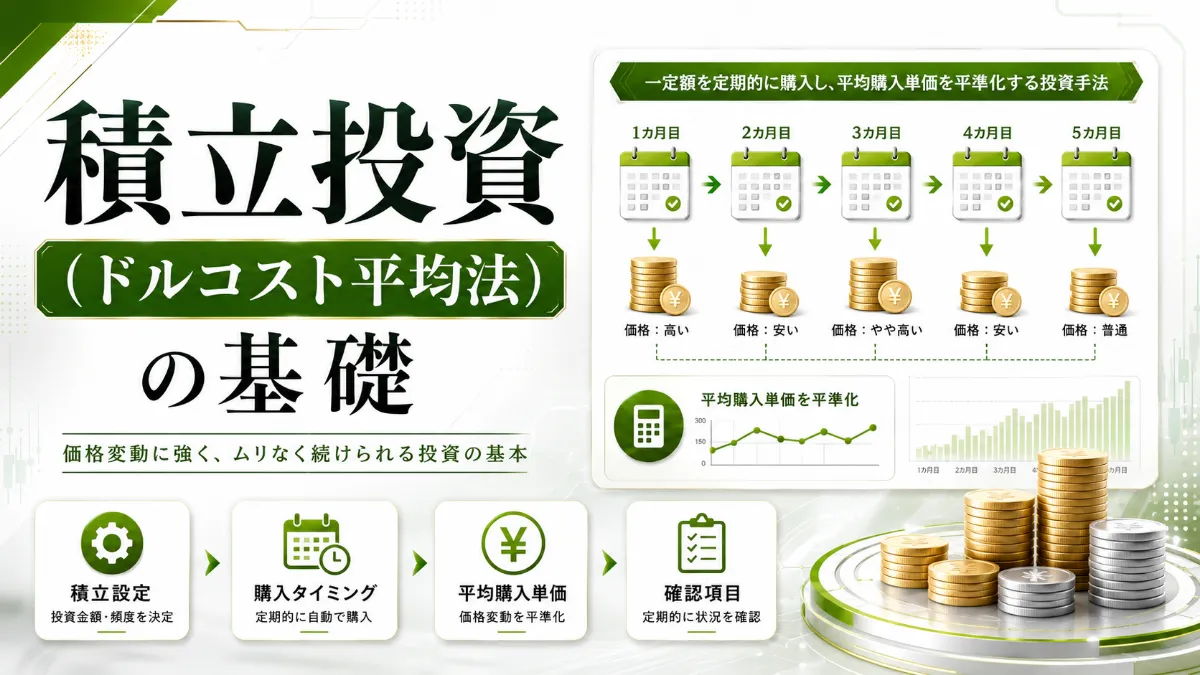 33 Securities · Investment trusts
The basics of regular instalment investing (dollar-cost averaging)
This article organises how regular instalment investing (dollar-cost averaging) works — the idea of buying a fixed amount at regular intervals, its effect on the average purchase price, its merits and its limits, and how it differs from lump-sum investment — neutrally and on the basis of official information from bodies such as the Financial Services Agency. It is an outline map for checking, at the same time, that regular instalment investing does not guarantee a profit and that loss of principal is possible.
Last checked/2026-06-18
-
 34 Securities · Brokers
The basics of specified accounts, general accounts and withholding at source
A specified account at a securities company (with or without withholding at source) and a general account differ in how the tax procedures are handled. This article organises, on the basis of information published by the National Tax Agency, whether a Japanese tax return is required, the role of the annual transaction report, and the relationship with a NISA account.
Last checked/2026-06-13
-
 35 Securities · Stocks
The basics of tax on share investment (capital gains and dividend taxation)
This article organises, on the basis of information published by the National Tax Agency, how tax works on capital gains and dividends from listed shares and the like. It sets out separate self-assessment taxation, the components of the 20.315% tax rate, the three methods of taxation for dividends, and the offsetting of gains and losses and loss carry-forward, as a general explanation of the rules rather than as tax advice or investment advice.
Last checked/2026-06-13
-
 36 Securities · Stocks
The basics of IPOs (newly offered shares): the mechanism, how to buy, and points to note
Organises, on the basis of official information, what an IPO (newly offered shares) is, how the offer price is determined (the book-building method), and the general sequence up to purchase together with the points to note. An IPO does not necessarily produce a profit, and the price may fall below the offer price after listing.
Last checked/2026-06-13
-
 37 Securities · Securities basics
Checking the basics of investing in bonds (Japanese Government Bonds and corporate bonds)
This article organises, on the basis of official information, the basics of investing in bonds (Japanese Government Bonds and corporate bonds), in terms of the relationship between face value, the coupon rate, redemption and yield, the differences between JGBs and corporate bonds, the inverse relationship between interest rates and prices, and credit, price fluctuation and liquidity risk. It brings together an overview for checking matters for oneself, including why it cannot uniformly be said that bonds are safe, and the conditions specific to JGBs for Retail Investors.
Last checked/2026-06-13
-
 38 CFDs and options · Options
This article organises the risks of options trading on the basis of public information, with at its centre the asymmetry by which the positions of the buyer and the seller differ greatly. It is an article for confirming, as a matter of fact, the point that the seller (売建て) in particular may in theory incur losses that widen greatly.
Last checked/2026-06-12
-
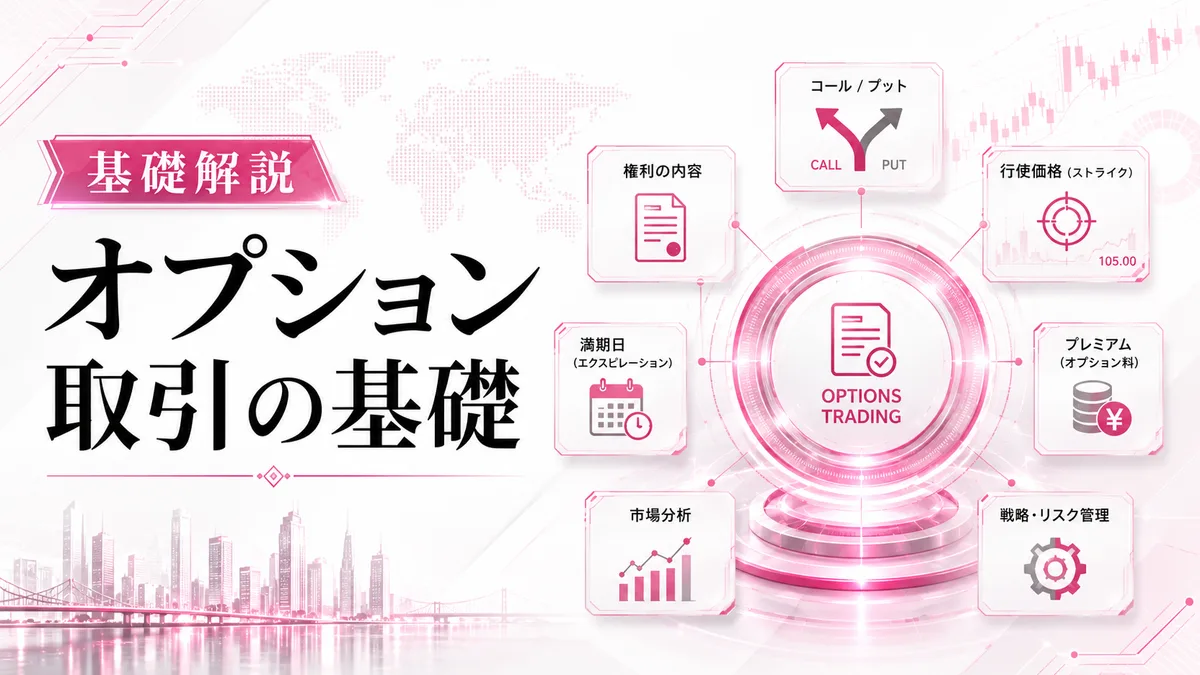 39 CFDs and options · Options
The basics of options trading (how calls, puts, exercise and the premium work)
This article organises what options trading is, on the basis of public information, starting from the basic terms — the difference between calls and puts, the positions of the buyer and the seller, the strike price and the premium. It is an introductory article for confirming accurately how the mechanism works, not for how to make money.
Last checked/2026-06-12
-
 40 Crypto
The basics of the risks and tax of crypto-asset trading
This article organises, on the basis of public information, the main risks of crypto-asset trading (price fluctuation, outflow, failure, and unregistered operators) together with the basics of tax (as a general rule, 雑所得 and aggregate taxation). The tax rules differ from those for FX.
Last checked/2026-06-12
-
 41 Crypto
This article organises, on the basis of official information, the legal position of crypto-assets, the difference between the exchange (取引所, order-book trading) and the dealer service (販売所, bilateral transactions), the registration system for the crypto-asset exchange service business, and the flow of opening an account.
Last checked/2026-06-12
-
 42 CFDs and options
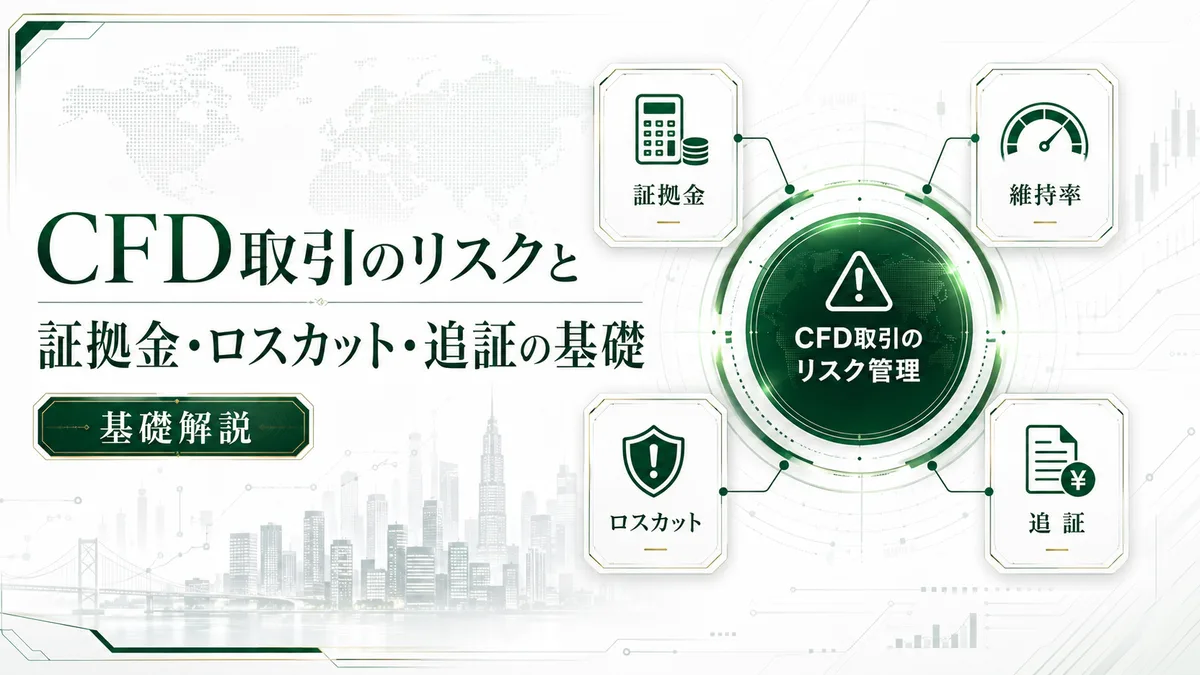
The basics of the risks of CFD trading and of margin, loss cuts and additional margin calls
This article organises, on the basis of public information, the risks of CFD and the mechanisms around margin, in this order: the amplification of losses through leverage, margin and the maintenance ratio, the limits of a loss cut, the operator risk of over-the-counter CFD (店頭CFD), and 不招請勧誘の禁止, the prohibition on uninvited solicitation. It sets out the premise that a loss cut is not a safety device.
Last checked/2026-06-12
-
 43 CFDs and options
This article organises how a CFD (差金決済取引, contract for difference) works, on the basis of public information, in the order of settlement by payment of differences, the assets covered, buying and selling, leverage and margin, and the differences between exchange-traded CFDs and over-the-counter CFDs. It sets out the premises for confirming specific terms in the official information of each company and of the exchange.
Last checked/2026-06-12
-
 44 Securities · Stocks
The basics of 株主優待: the mechanism, and the premise that benefits may be changed or discontinued
This article organises, on the basis of official information, what 株主優待 (shareholder benefits) is, centring on its relationship to the record date (権利確定日), the types of benefits in general terms, and the premise that benefits are provided at the discretion of the company and that they may be changed or discontinued.
Last checked/2026-06-09
-
 45 Securities · Investment trusts
Checking the basics of REITs (J-REITs)
This article organises, on the basis of official information, what sort of product a REIT (不動産投資信託, J-REIT) is, from the viewpoints of how it works, how it is traded, the characteristics of its distributions, how it differs from investing in physical real estate, and its risks. It brings together an outline map of what you yourself should be checking.
Last checked/2026-06-09
-
 46 Securities · Stocks
This article organises what 単元未満株 are on the basis of official information, centring on their relationship with 単元株 (a standard trading unit, 100 shares as a general rule), what can and cannot be done with them, and the points that may differ from ordinary trading in 単元株. It does not recommend any particular securities company's service.
Last checked/2026-06-09
-
 47 Securities · Investment trusts
Checking the basics of ETFs (exchange traded funds, 上場投資信託)
This article organises, on the basis of official information, what sort of product an ETF (exchange traded fund, 上場投資信託) is, from the viewpoints of the differences from an ordinary investment trust, the index it aims to track, the relationship between the market price and the net asset value (基準価額), costs, distributions and risks. It brings together an outline map of what you should check for yourself.
Last checked/2026-06-09
-
 48 Securities · Stocks
Checking the basics of domestic equity (cash) trading
This article organises, on the basis of official information, the mechanics worth checking before starting with domestic equity (cash) trading, covering shareholder rights, the 単元株 trading unit, trading hours, how orders are placed, and the steps from execution through to settlement.
Last checked/2026-06-09
-
 49 Securities · Stocks
Checking the basics of dividends
This article organises the mechanics of dividends on the basis of official information, together with the record date, the last day on which the entitlement is acquired and the ex-dividend date, the methods of receipt, an outline of taxation, and the premise that a dividend may be omitted or reduced.
Last checked/2026-06-09
-
 50 FX
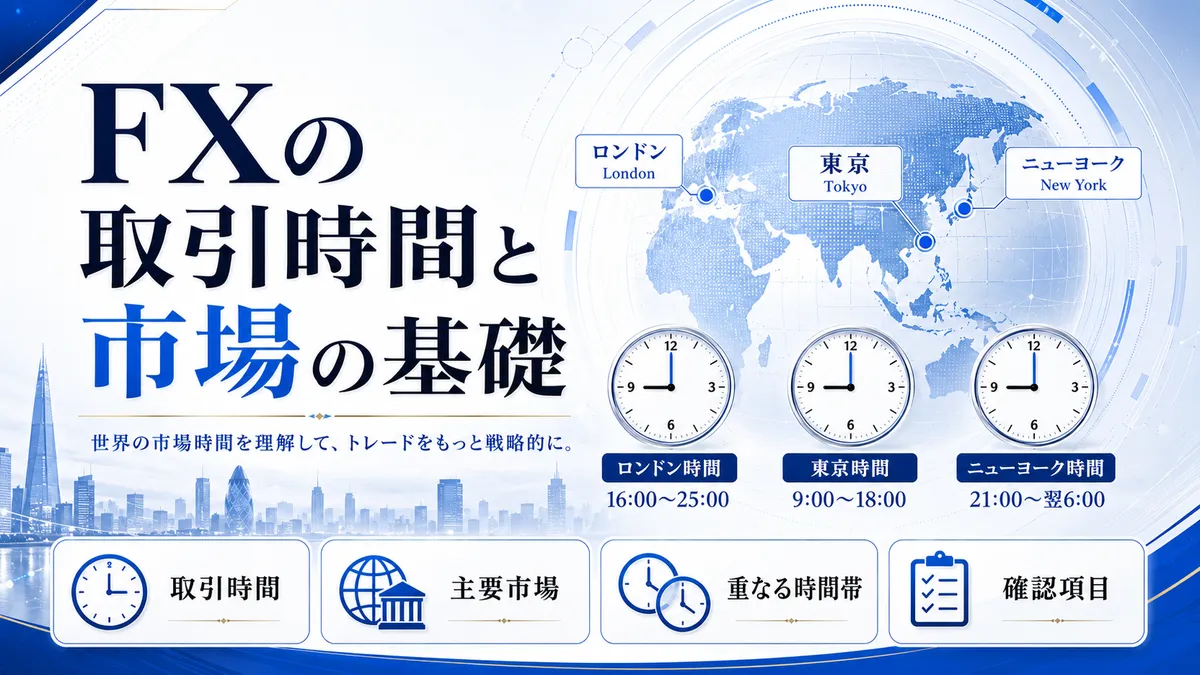
This article organises, on the basis of public information, why FX can be traded almost 24 hours a day on weekdays, together with the Tokyo, London and New York markets, daylight saving time, and the handling of Saturdays and Sundays and of the year-end and New Year period. It sets out the basics for checking for oneself when one can trade and when one cannot.
Last checked/2026-06-08
-
 51 FX
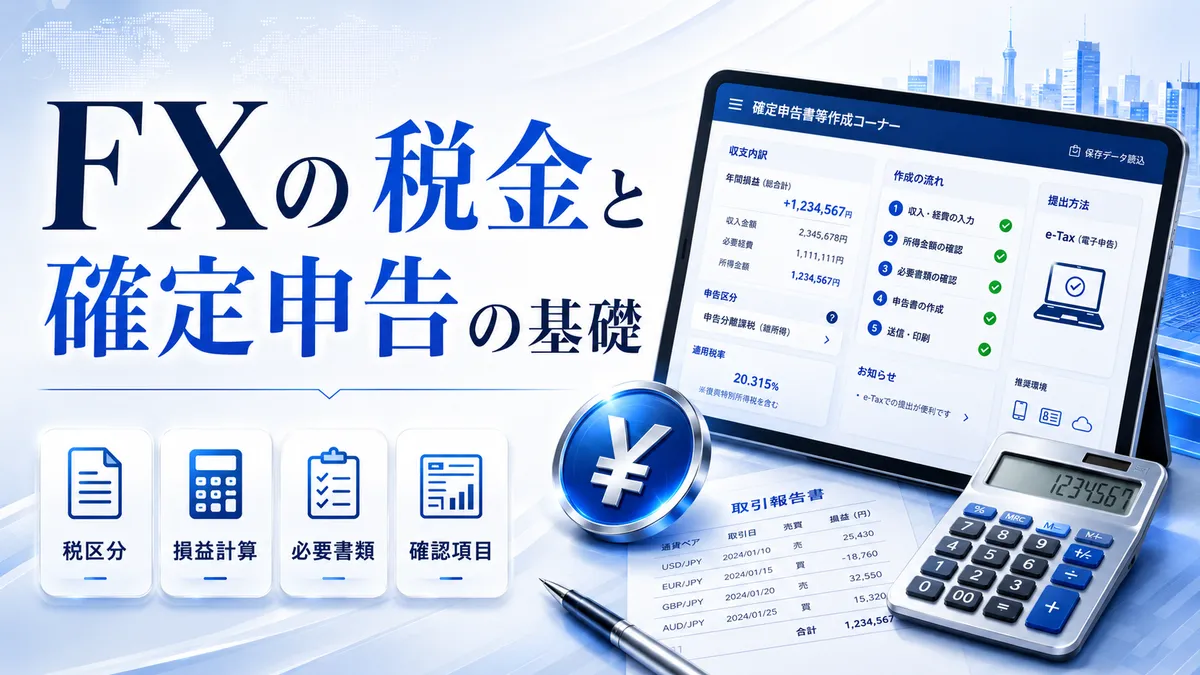
This article organises, on the basis of information published by the National Tax Agency, how tax and the Japanese tax return work when a profit or a loss arises in FX trading in Japan. It sets out the framework of separate self-assessment taxation, the offsetting of gains and losses and loss carry-forward as a general explanation of the rules, not as tax advice or investment advice.
Last checked/2026-06-08
-
 52 FX
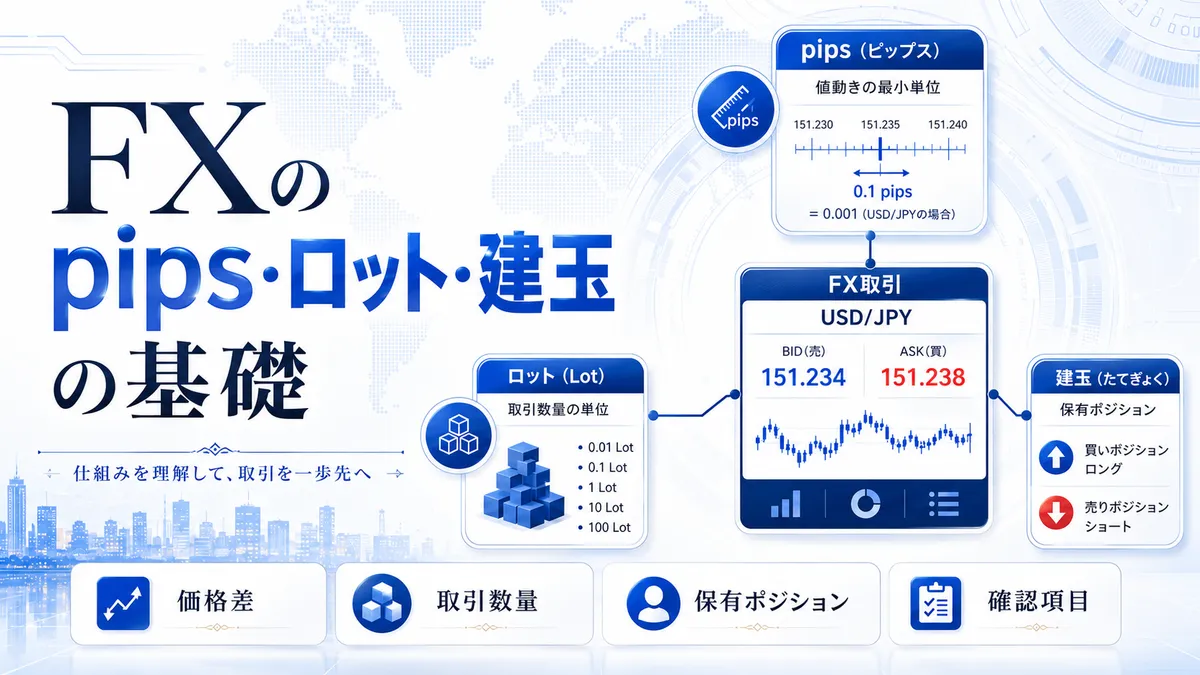
The basics of FX pips, lots and open positions (how to view trade size and units)
This article organises, on the basis of public information, the meaning of pips, lots and open positions — the words for trade size and units that often come up in FX. It brings together a way of checking for oneself how trade size relates to profit and loss and to margin.
Last checked/2026-06-08
-
 53 FX
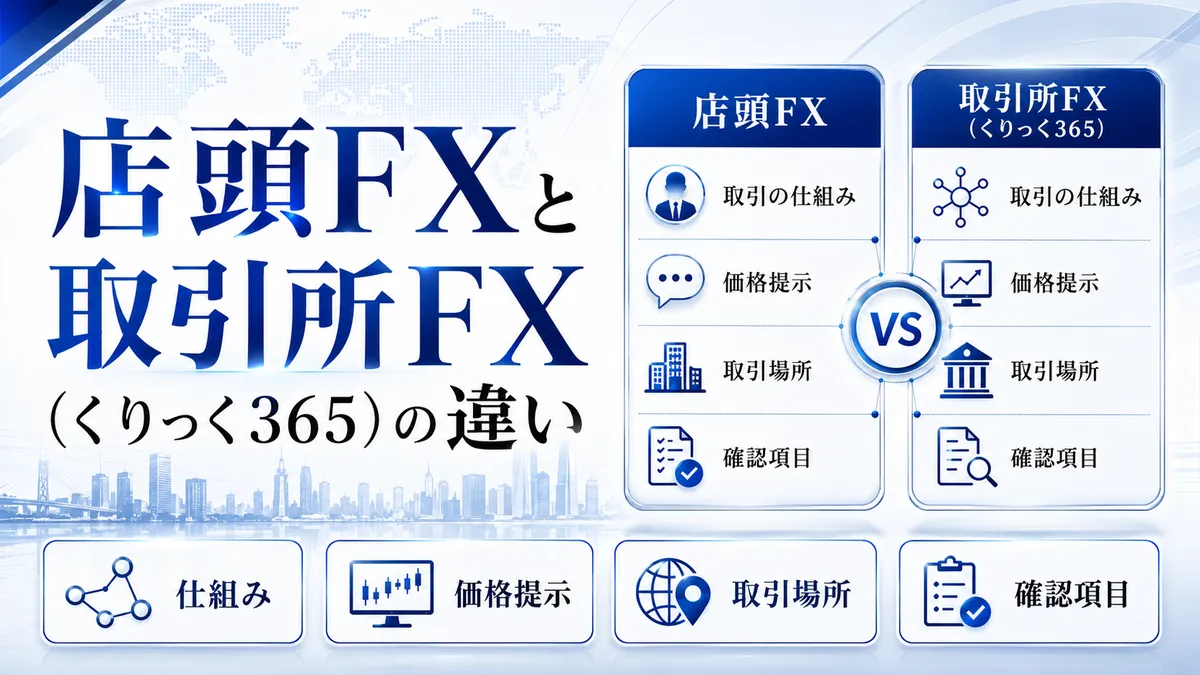
The differences between over-the-counter FX and exchange-traded FX (くりっく365)
This article organises what differs between over-the-counter FX and exchange-traded FX (くりっく365), on the basis of official information from bodies such as the National Tax Agency, the FFAJ, the Tokyo Financial Exchange and the Financial Services Agency. It sets out a way of checking for oneself the differences in how they work: the counterparty to the transaction, the quoting of prices, where the margin is deposited and the tax treatment.
Last checked/2026-06-08
-
 54 FX
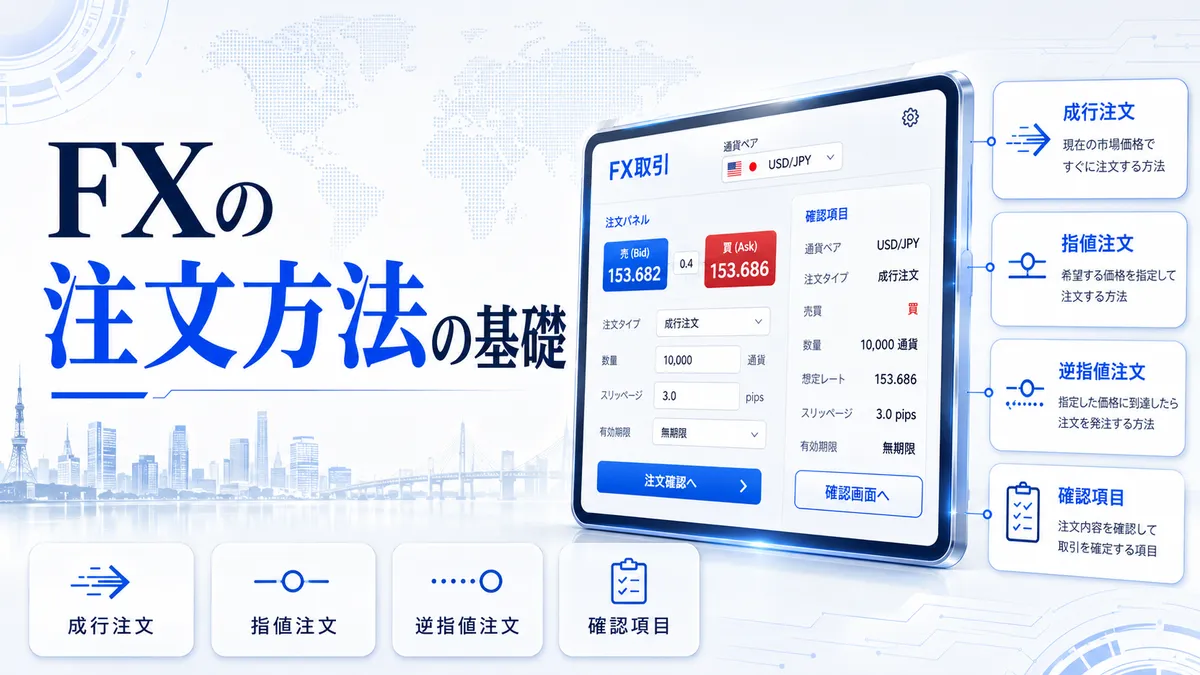
The basics of FX order types (how to view market, limit and stop orders, and IFD, OCO and IFO)
This article organises, on the basis of public information, the meaning and the use of the market, limit and stop orders that often come up in FX, together with the IFD, OCO and IFO order types. It sets out a way of checking for oneself what each order actually does.
Last checked/2026-06-08
-
 55 FX
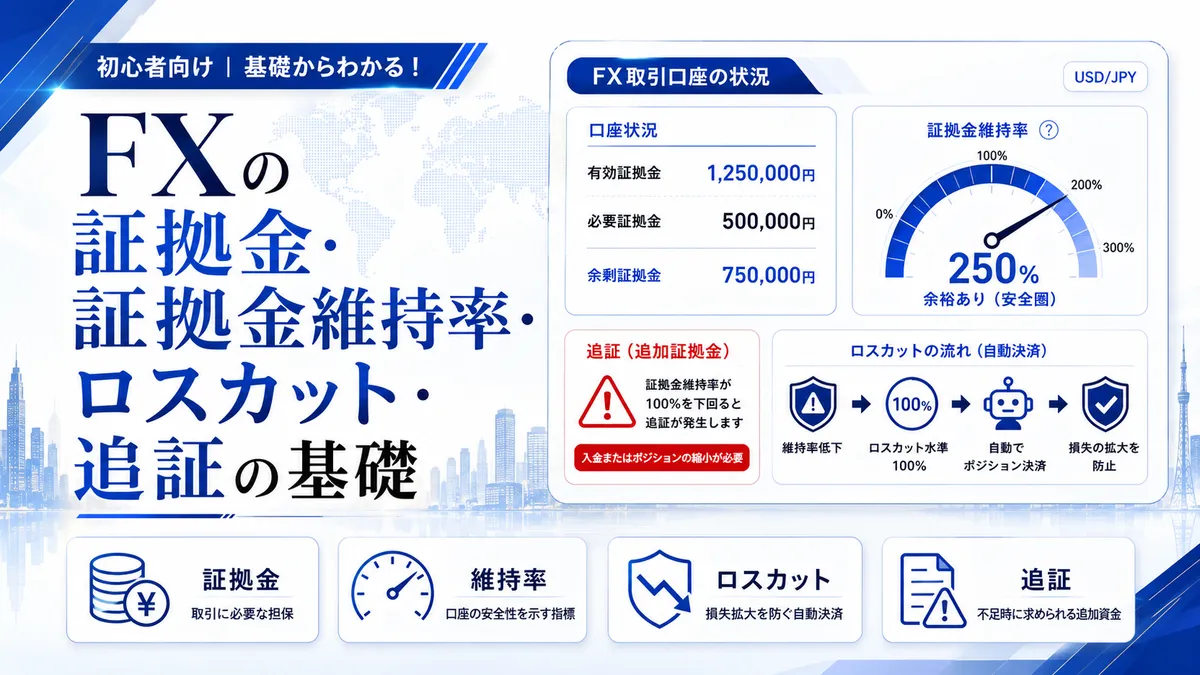
The basics of FX margin, the margin maintenance ratio, loss cuts and additional margin calls
This article organises, on the basis of public information, the meaning of the terms margin, required margin, effective margin, margin maintenance ratio, additional margin call and loss cut that come up in FX, and how they connect to one another. Because specific levels differ by company, it sets out the premises for checking them in each company's official explanations and in public information.
Last checked/2026-06-08
-
 56 FX
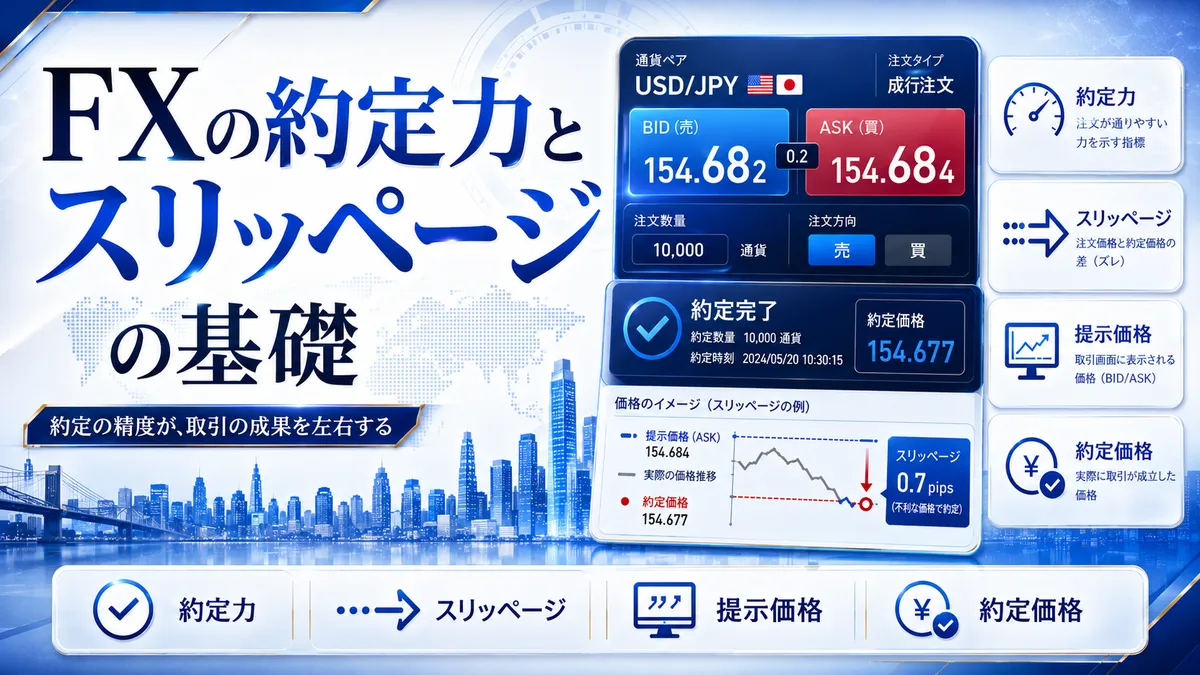
The basics of FX execution quality and slippage
This article organises, on the basis of public information, the meaning of the words execution (約定), execution quality and slippage that are often seen in FX. It brings together a way of checking for oneself what execution and slippage refer to and what is worth confirming.
Last checked/2026-06-08
-
 57 FX
This article organises, on the basis of public information, what the economic indicators often watched in FX are, the main kinds of indicator and the bodies that publish them, and the price movement and points of caution that may arise before and after a release. It does not set out any particular trading method or any forecast of the market.
Last checked/2026-06-08
-
 58 FX
How to use an FX demo account, and moving to a live account
This article organises, on the basis of public information, what can and cannot be checked with an FX demo account (デモ口座, an account for experiencing trading with virtual funds), the main differences between a demo and a live account, and the points worth checking before moving to a live account. It also organises separately the point that results in a demo do not necessarily translate into the outcome of actual trading.
Last checked/2026-06-08
-
 59 FX
The types and characteristics of FX currency pairs
This article organises, on the basis of public information, what the currency pairs traded in FX are, how currencies are classified into categories such as major currencies and emerging-market currencies, and the meaning and general characteristics of names such as major currency pairs, cross-yen and emerging-market currency pairs. It brings together a way of checking the classifications and characteristics for oneself.
Last checked/2026-06-08
-
 60 FX
How to read FX charts (the basics of candlesticks)
This article organises, on the basis of public information, how to read the candlesticks commonly used on FX charts. It sets out a way of checking for oneself what the four prices, the body, the wicks, up and down candles, and time frames represent — as a record of past price movement, rather than as a basis for a decision to buy or sell.
Last checked/2026-06-08
-
 61 Securities · Stocks
Basics to check before starting with US stocks (foreign equities)
Before starting with US stocks (foreign equities), this article organises how they differ from Japanese stocks on the basis of official information, covering foreign exchange, taxes, trading hours, differences in what each company handles, and the settlement currency and currency exchange fees.
Last checked/2026-06-06
-
 62 Securities · Securities basics
Checking the risks of securities transactions
This article organises, on the basis of public information, the main risks accompanying securities transactions in equities, investment trusts, bonds and similar instruments, in the order of price fluctuation, credit, liquidity and exchange rate movement, together with the relationship between risk and return and the thinking about diversification.
Last checked/2026-06-06
-
 63 Securities · Brokers
How to look at fees when comparing securities companies
This article organises how to look at fees when comparing securities companies, in the order of the kinds of fee, differences in fee structures, the perspective of aligning the conditions, viewing matters in the round, and changes from one point in time to another. It brings together a framework for comparing them correctly for oneself.
Last checked/2026-06-06
-
 64 Securities · Investment trusts
Basics to check before starting with investment trusts
This article organises, on the basis of official information, the basics worth checking before starting with investment trusts: how they work, their costs, the net asset value, the two kinds of distribution, and the differences in management policy. It brings together an outline map for checking things for yourself, including the difference between distributions out of the fund's income and refunds of principal.
Last checked/2026-06-06
-
 65 FX
How FX swap points work and how to check them
This article organises how the "swap point" that appears in FX works and how to view it when checking by company and by currency pair. It brings together viewpoints for checking for oneself, including the two directions of receipt and payment and the premise that swap points fluctuate.
Last checked/2026-06-06
-
 66 FX
What an FX spread is and how to view it when comparing
This article organises the meaning of the "spread" that appears as a trading cost in FX, and how to view it when comparing companies. It sets out viewpoints for checking for oneself, including the difference between "fixed as a general rule" and "variable" and the need to view figures under aligned conditions.
Last checked/2026-06-06
-
 67 FX
Risks of FX trading and points worth checking
This article organises the risks and points of caution worth checking before and after starting FX, based on public information, in the order of leverage, principal and profit or loss, the limits of the loss cut, protection of customer assets, and caution regarding unregistered operators.
Last checked/2026-06-06
-
 68 FX
Points to check when looking at FX companies that support MT4/MT5
This article organises how to view FX companies when you want to check them from the viewpoint of the trading platform, taking in order the difference between MT4 and MT5, demo accounts, supported devices and tool requirements. It brings together viewpoints for checking for oneself.
Last checked/2026-06-06
-
 69 FX
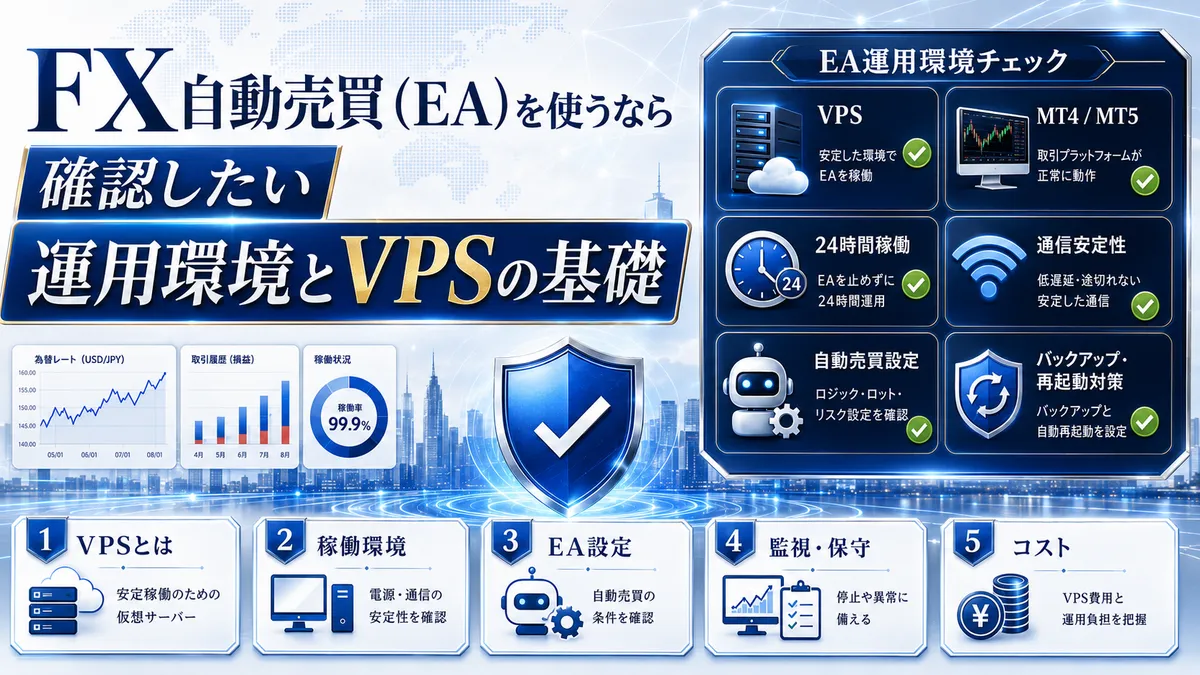
The operating environment to check when using FX automated trading (EA), and the basics of a VPS
This article organises the operating environment for running FX automated trading (EA) continuously, and the basics of a VPS (virtual private server). It brings together information for viewing the operating environment, including the difference between a home PC and a VPS and the viewpoints for checking a VPS.
Last checked/2026-06-06
-
 70 Guides
Trilogy Markets Guide is an advertising and information medium that organises, on the basis of official information, the items worth checking before choosing a financial service. It does not provide rankings or investment advice.
Last checked/2026-06-05
-
 71 Securities · Brokers
Basic points to check before choosing a securities company
Basic points to check before choosing a securities company, organised from official information in terms of the products handled, account types, costs, and the mechanisms that protect customer assets.
Last checked/2026-06-05
-
 72 Securities · NISA
Points to check before starting with NISA
NISA is a Japanese scheme under which gains from investment are not taxed where they arise. The current scheme is the new NISA, which began in 2024. This article organises the allowances, ages and cautions worth checking before starting, from official information.
Last checked/2026-06-05
-
 73 FX
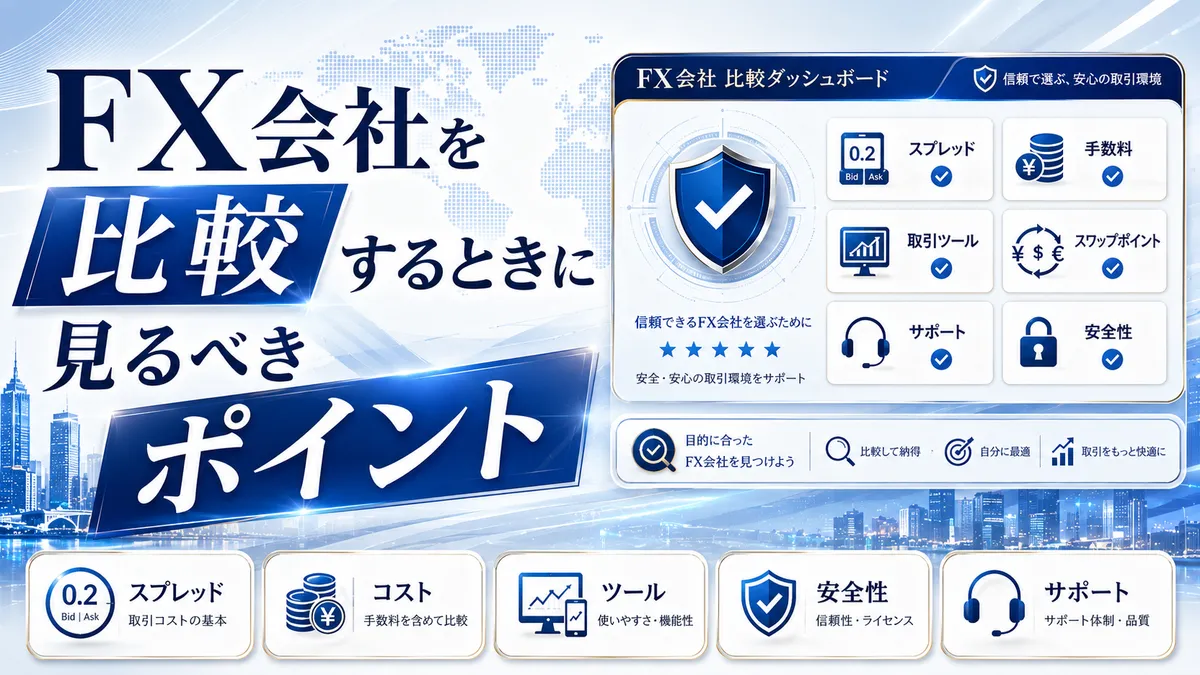
Points to look at when comparing FX companies
This article organises the viewpoints worth confirming when comparing FX companies, in the order of spreads, swaps, execution quality, the currency pairs handled, and registration and the protection of assets. It brings together the perspective of viewing them with the conditions aligned.
Last checked/2026-06-05
-
 74 FX
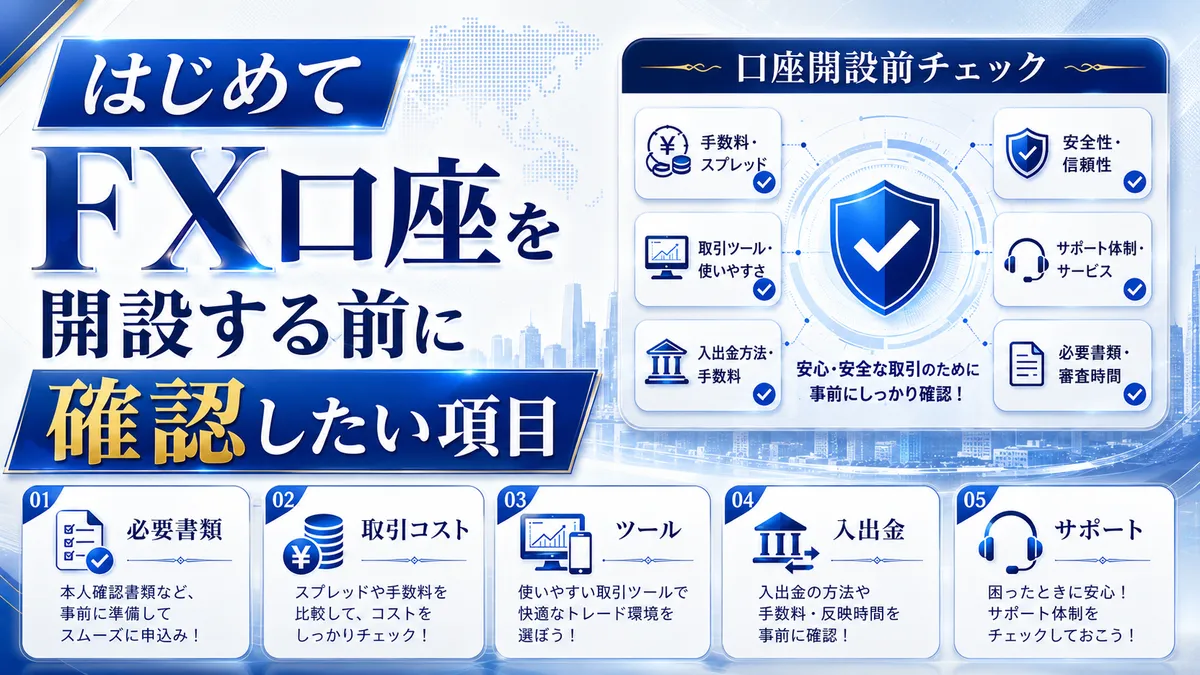
Points to check before opening an FX account for the first time
This article organises, on the basis of official information, the points to check before opening an FX account, from the viewpoints of margin, leverage, loss cut, costs, protection of assets, checking registration, and the process of opening an account.
Last checked/2026-06-05